

Programme
CLINT EASTWOOD, A HERO DECONSTRUCTED
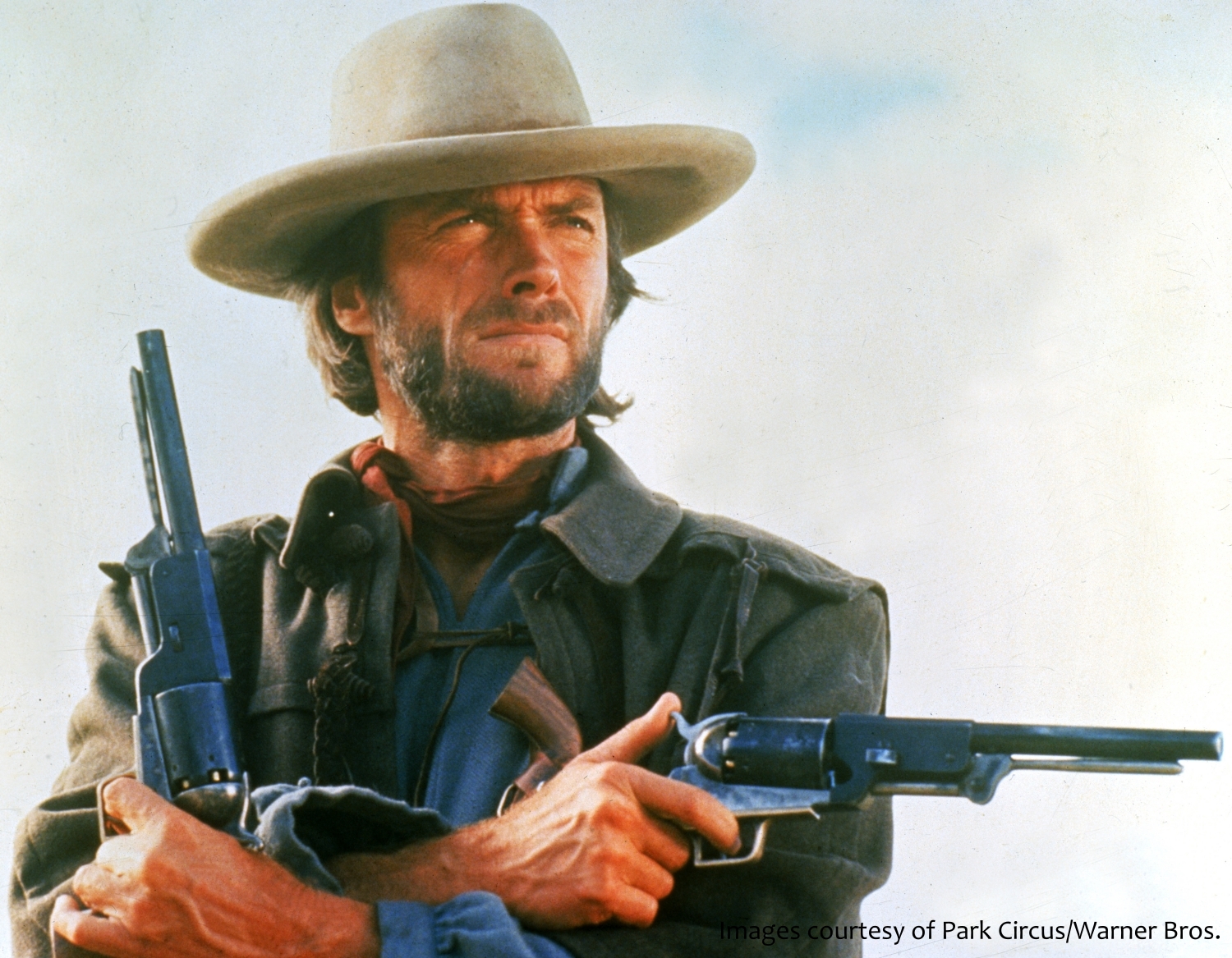
He is the Man with No Name. Yet he bears a legendary name in cinema history: Clint Eastwood.
With a steely glare and a laconic calm, he navigates the complexities between good and evil through his own code of survival and razor-sharp marksmanship, exuding a mystique and dangerous charm. Quentin Tarantino proclaimed that before Eastwood, Western heroes had never looked so cool and sexy.
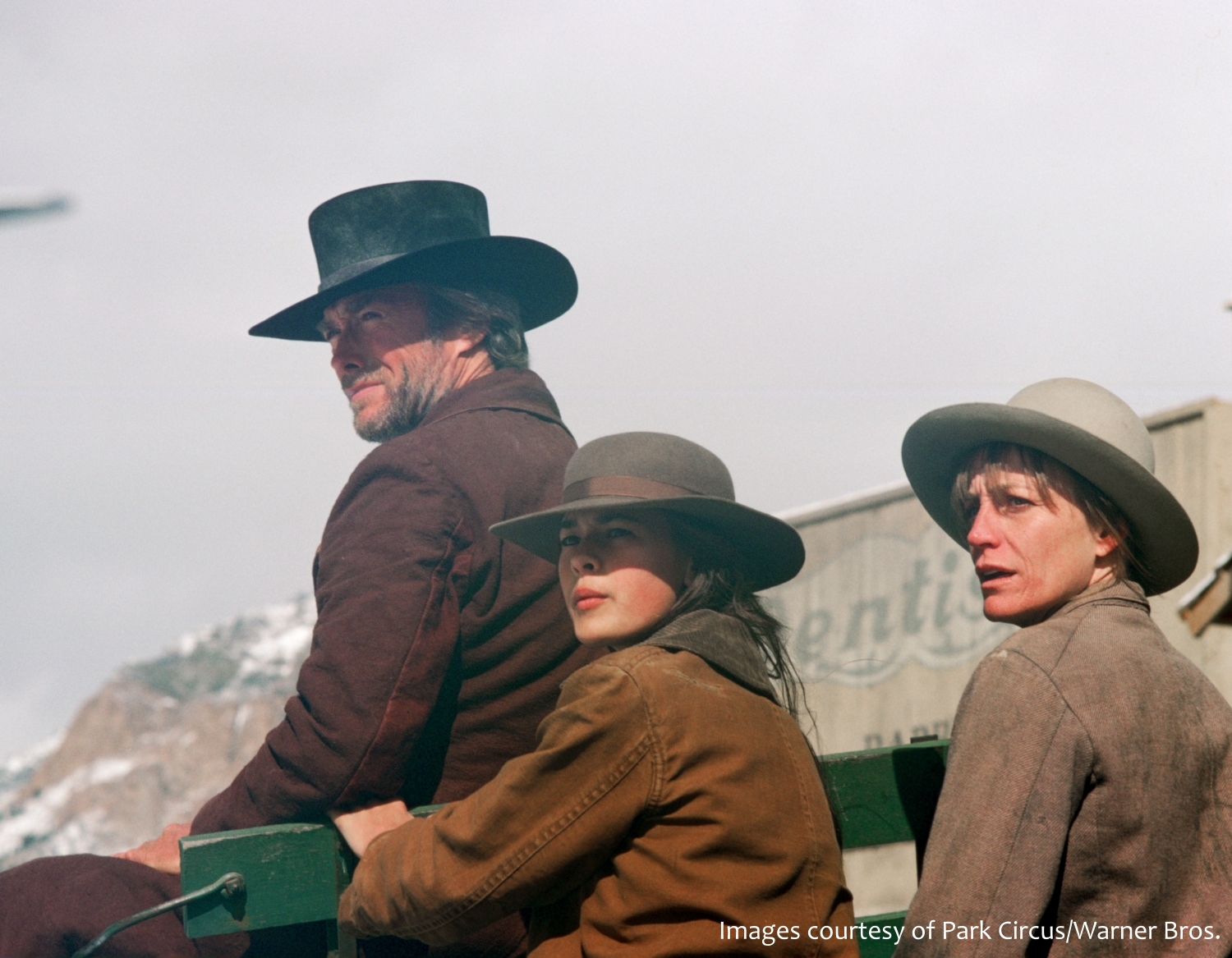
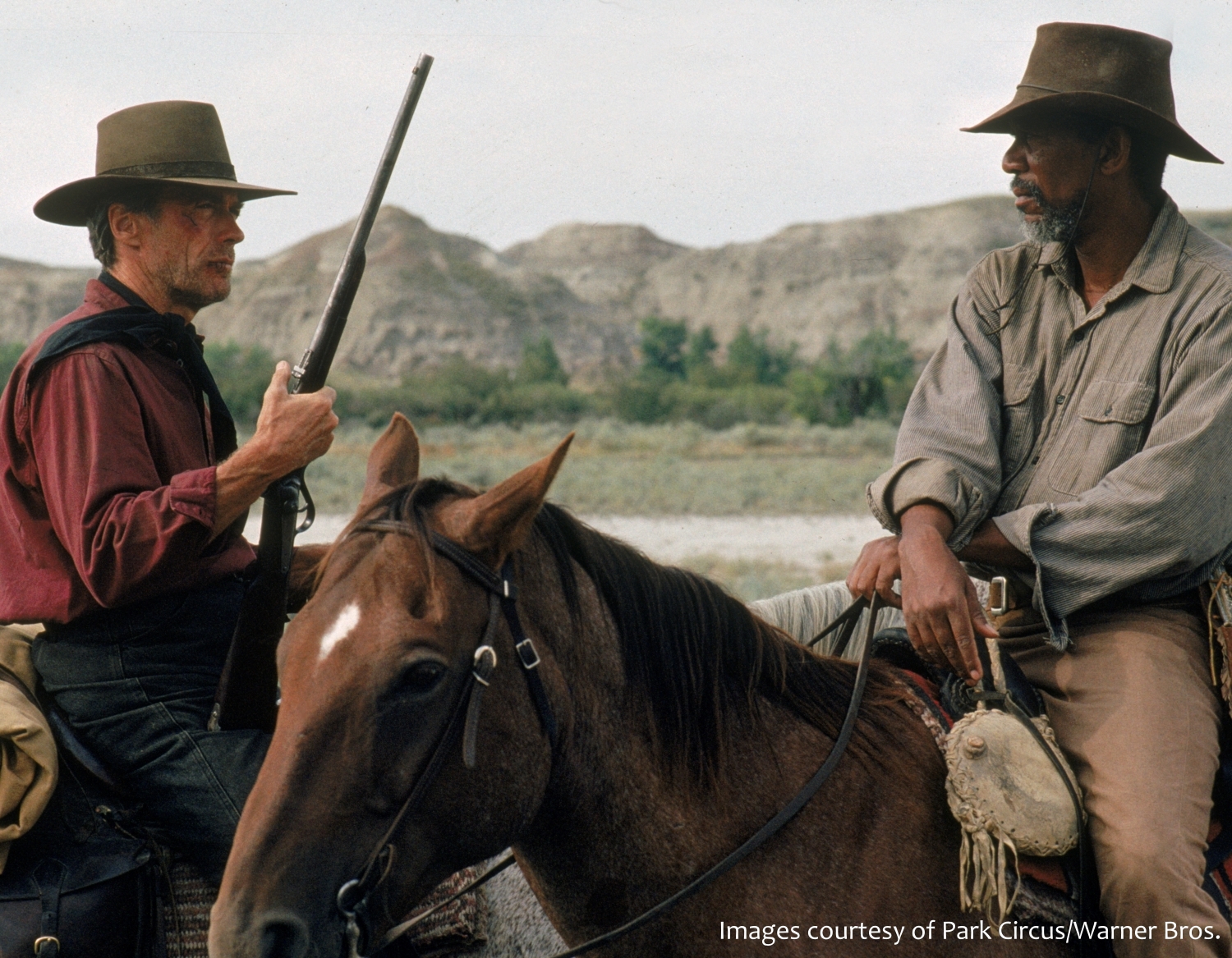
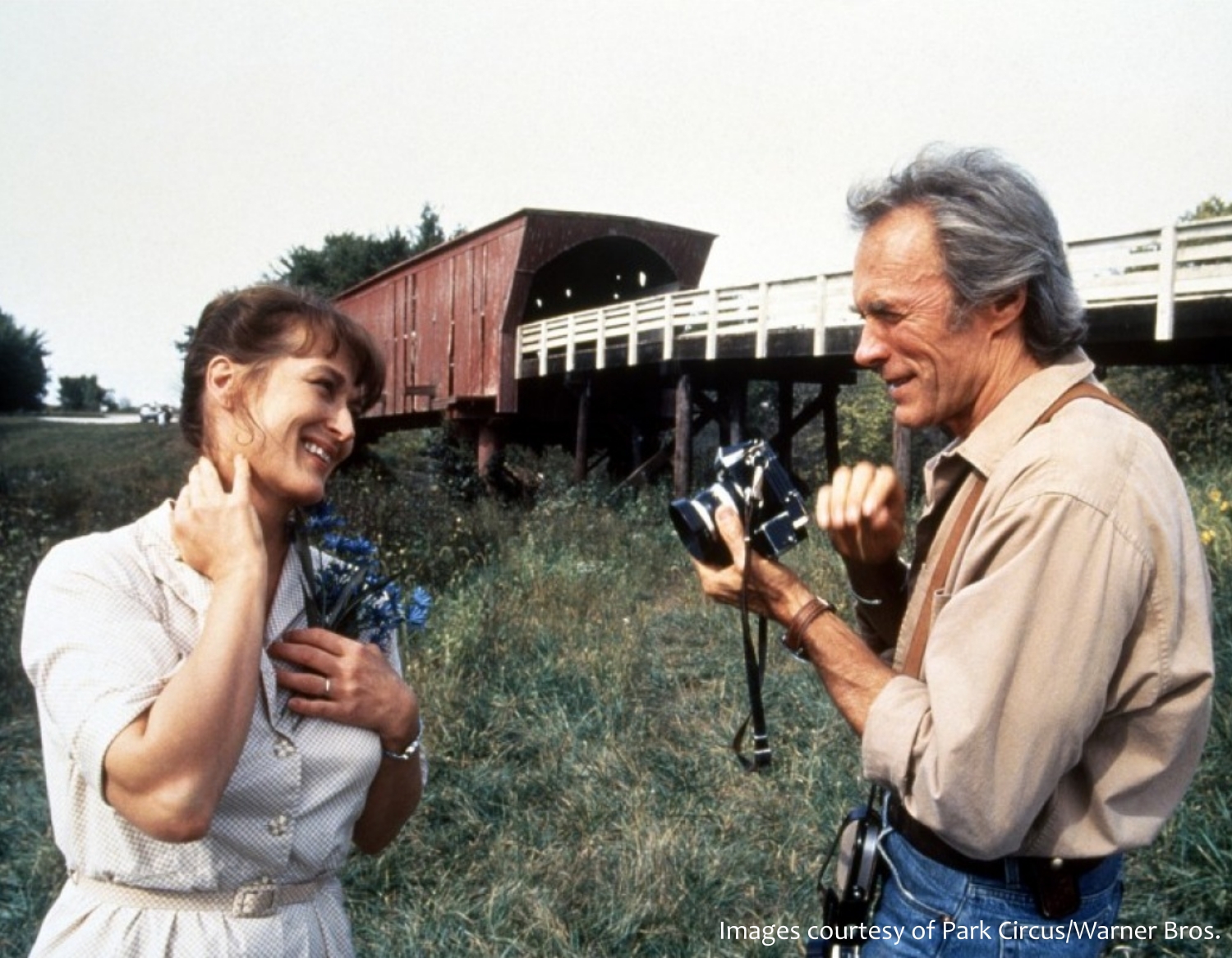
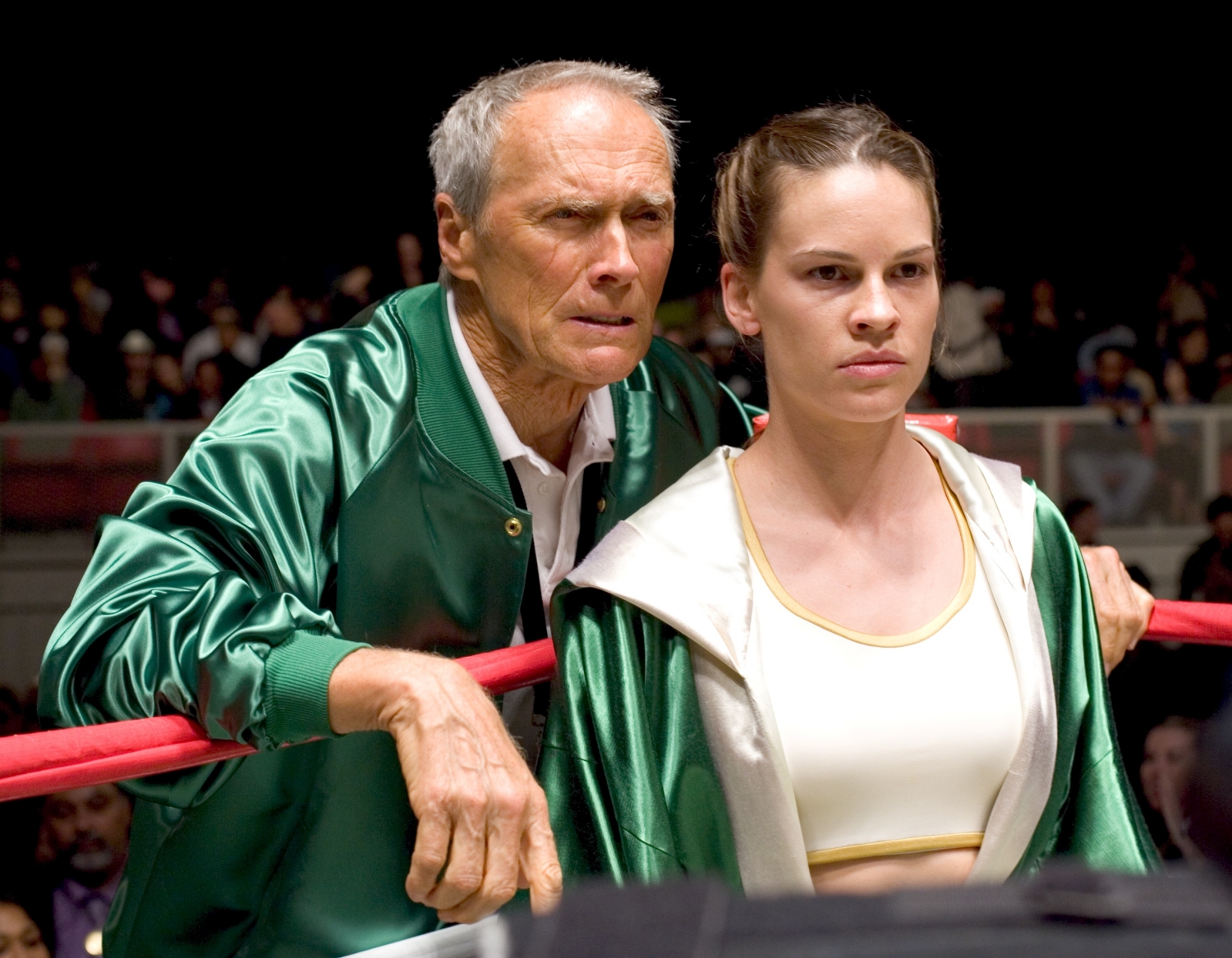
The actor transitioned to directing in 1971, honing his craft from Sergio Leone, the godfather of Spaghetti Westerns, and Donald Siegel, a master of the hardboiled aesthetic. He went on to direct and star in revisionist Westerns, deconstructing the classic loner archetype and revitalising a genre that was on the decline. Reaching the pinnacle of his career with Unforgiven, he bid farewell to the iconic gunslinger, reimagining his screen hero in various forms – whether as a washed-up boxing coach, a retired war veteran or a landscape photographer. Each character essentially represents the same ‘complicated man’, yet one deeply rooted in the realities of everyday life. These characters (including the female boxer and the single mother) embody a manner of masculinity, while possessing a conscious unself-consciousness. Despite exposing their inner contortions and distortions, Eastwood does not entirely discredit their external authority and dignity, which are foundational to his celebrated on-screen persona.
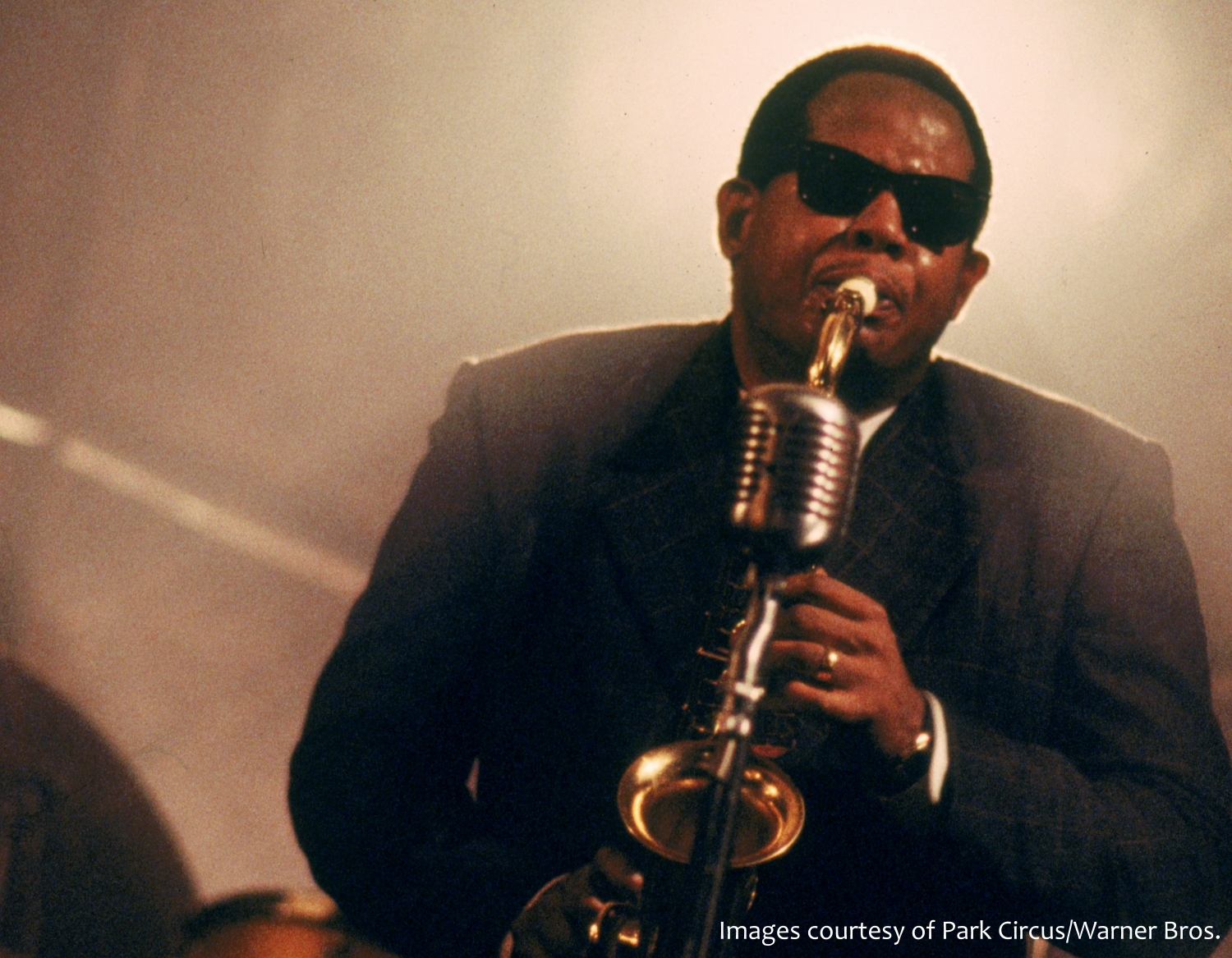
With 40 titles under his belt, including thrillers, suspense, romance, crime, courtroom dramas and biopics, westerns are actually a minority in his oeurve. ‘There’s a rebel lying deep in my soul,’ he once said. Eastwood’s films embrace a brutal honesty, possessing a sort of unforced naturalism of manner that inclines to bend, or even break, with strict realism and generic conventions. As a jazz aficionado who has also composed many of his own soundtracks, he enjoys improvising around themes such as violence and justice, conscience and societal system, human nature and redemption. The narrative often shifts in unexpected yet understandable ways, reflecting the maverick nature of the lone gunslinger – cool, restrained, and elusive.
Eastwood makes it clear that his entire body of work conveys not a political stance but a moral perspective. His self-deprecating black humour lends a sense of ‘cool’ to his films while humanising heroism, at once reflecting on traditional American values. Like a Gran Torino, his cinema inherits the essence of the golden age of American cinema, seamlessly blending Hollywood’s solid storytelling tradition with the flexible, independent style of the modern era, cementing his status as a legend who has left an indelible mark on film history.
Now aged ninety-six, Juror #2 may well be Eastwood’s swan song. Yet we remain confident that the myth of the Man with No Name lives on, standing proudly alone on the horizon.