

2026
The Biting Ironies of the Romanian New Wave
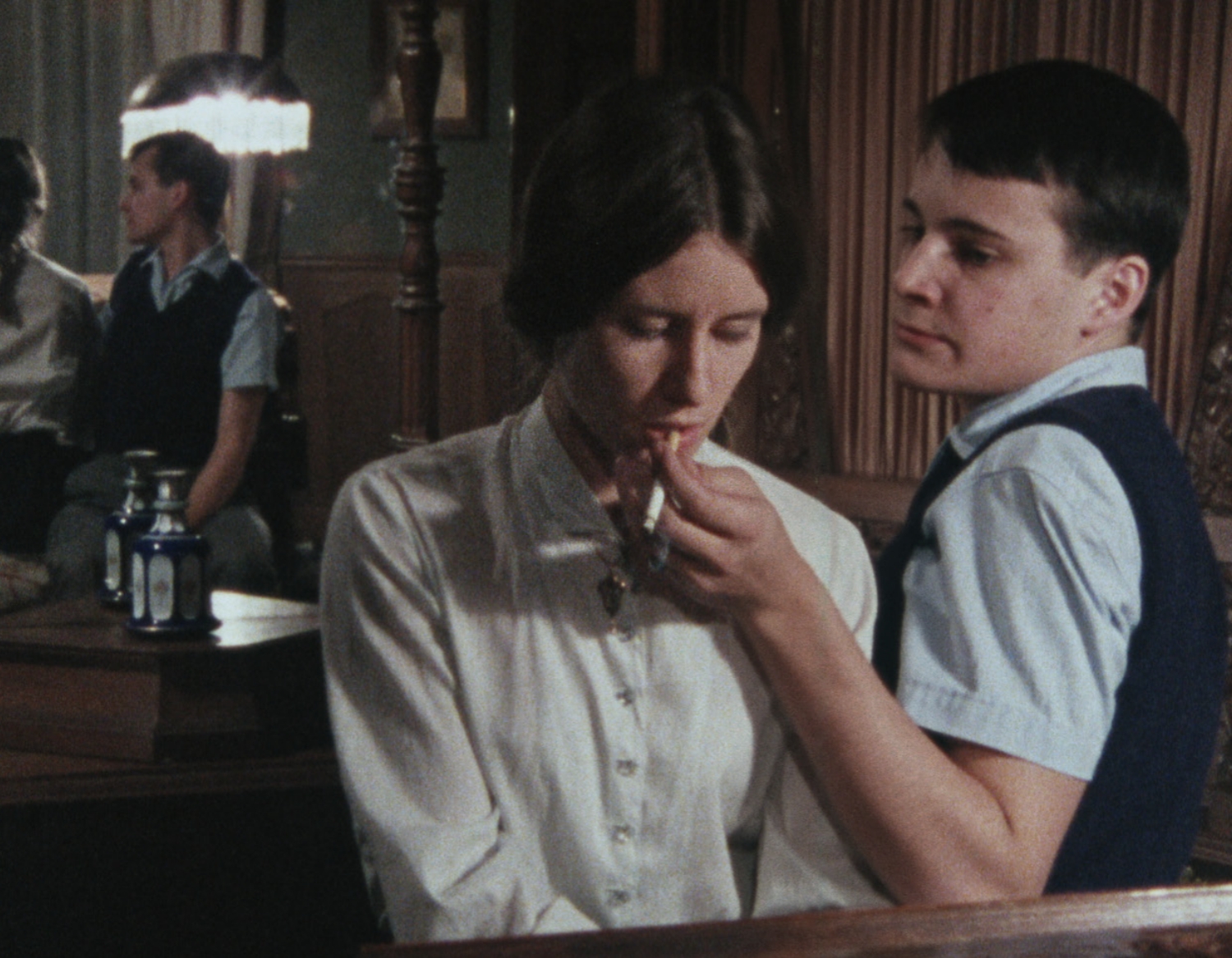
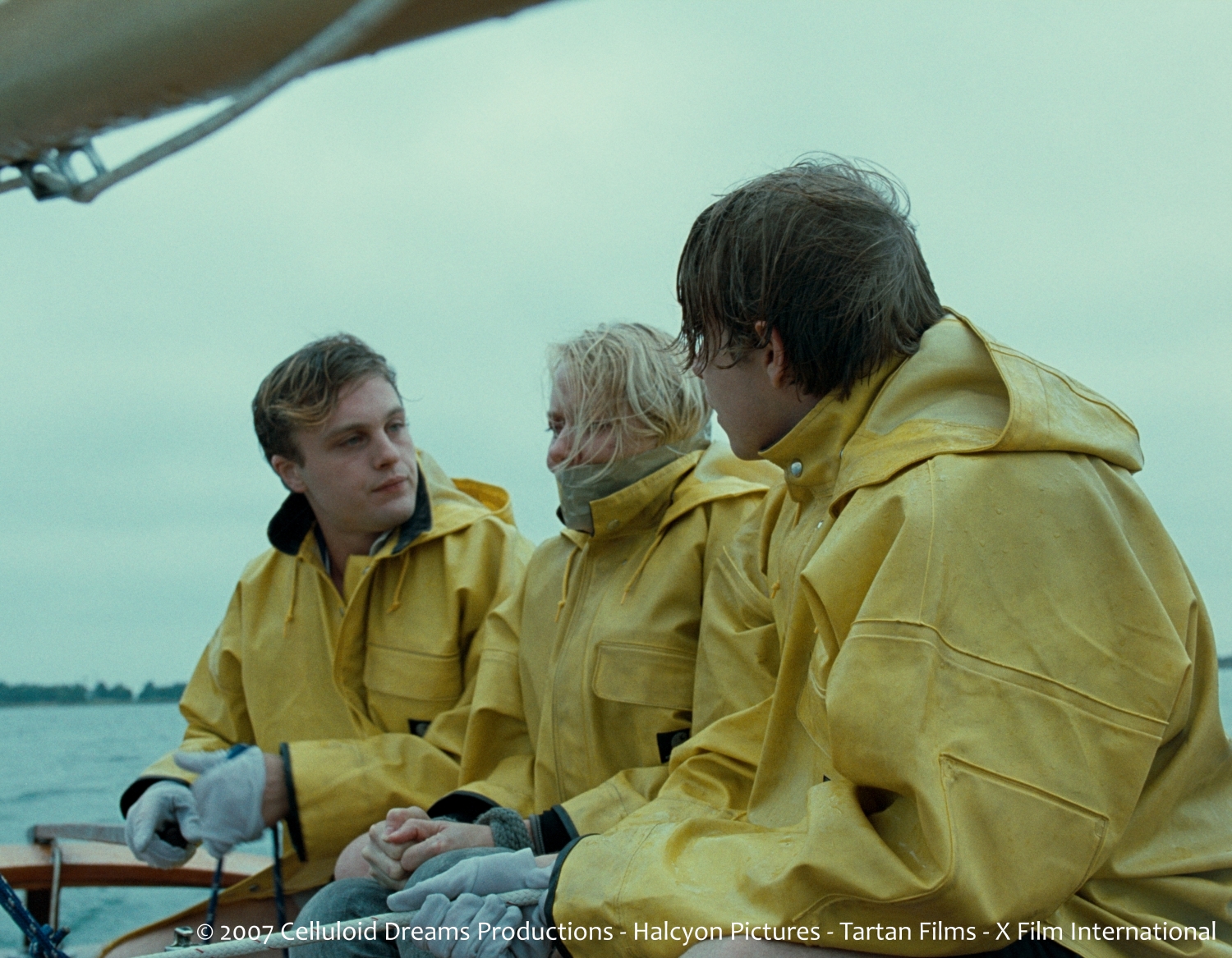
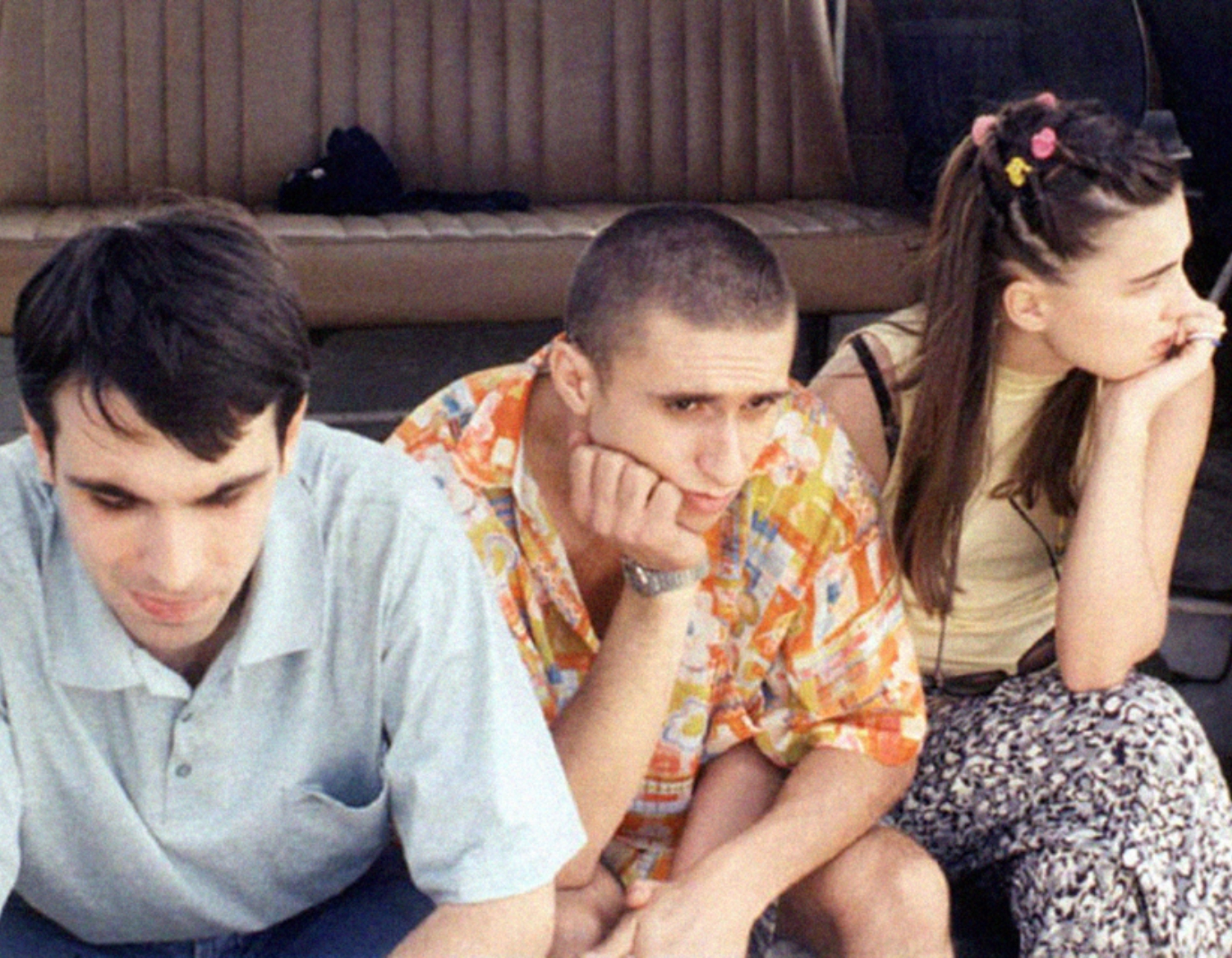
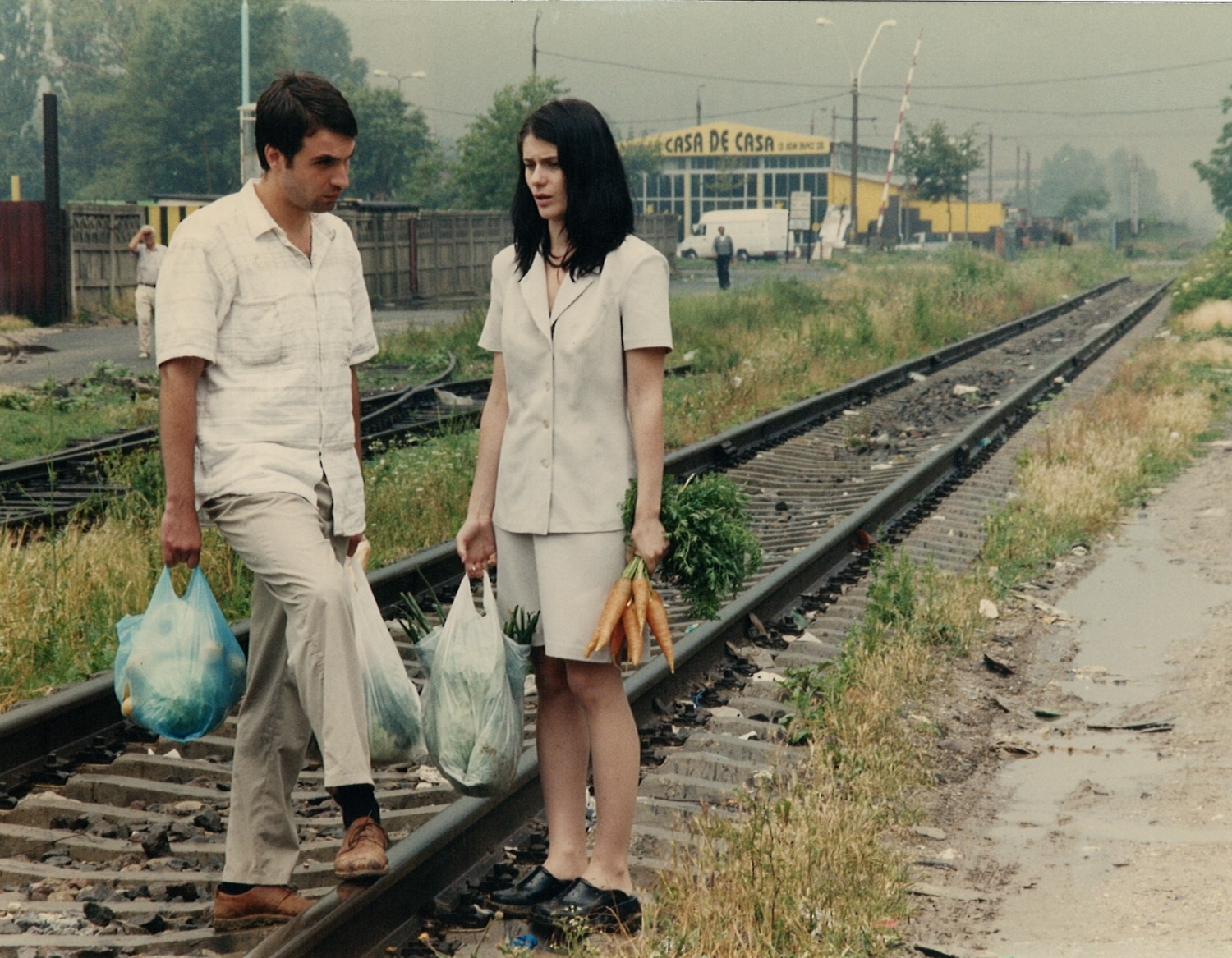
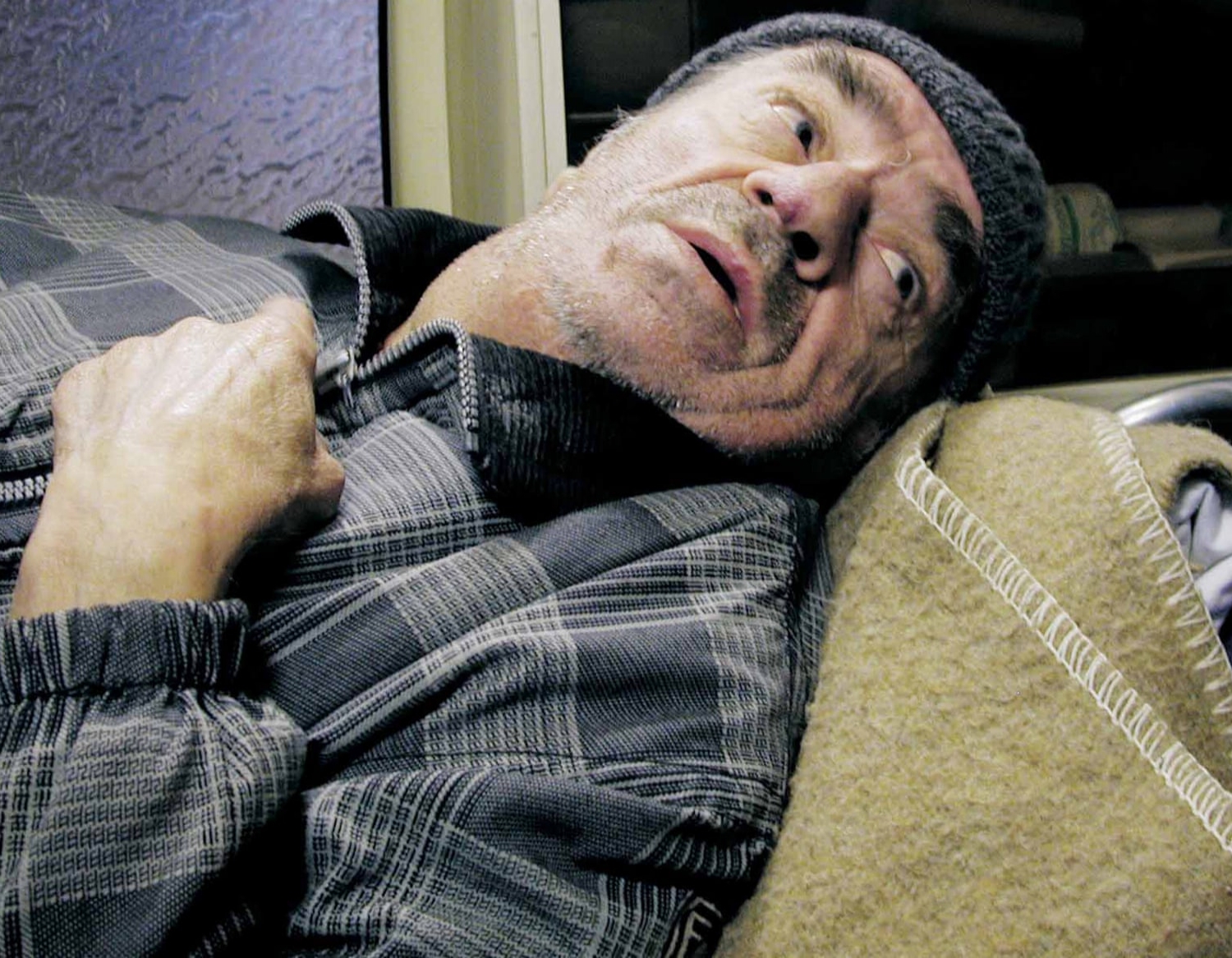
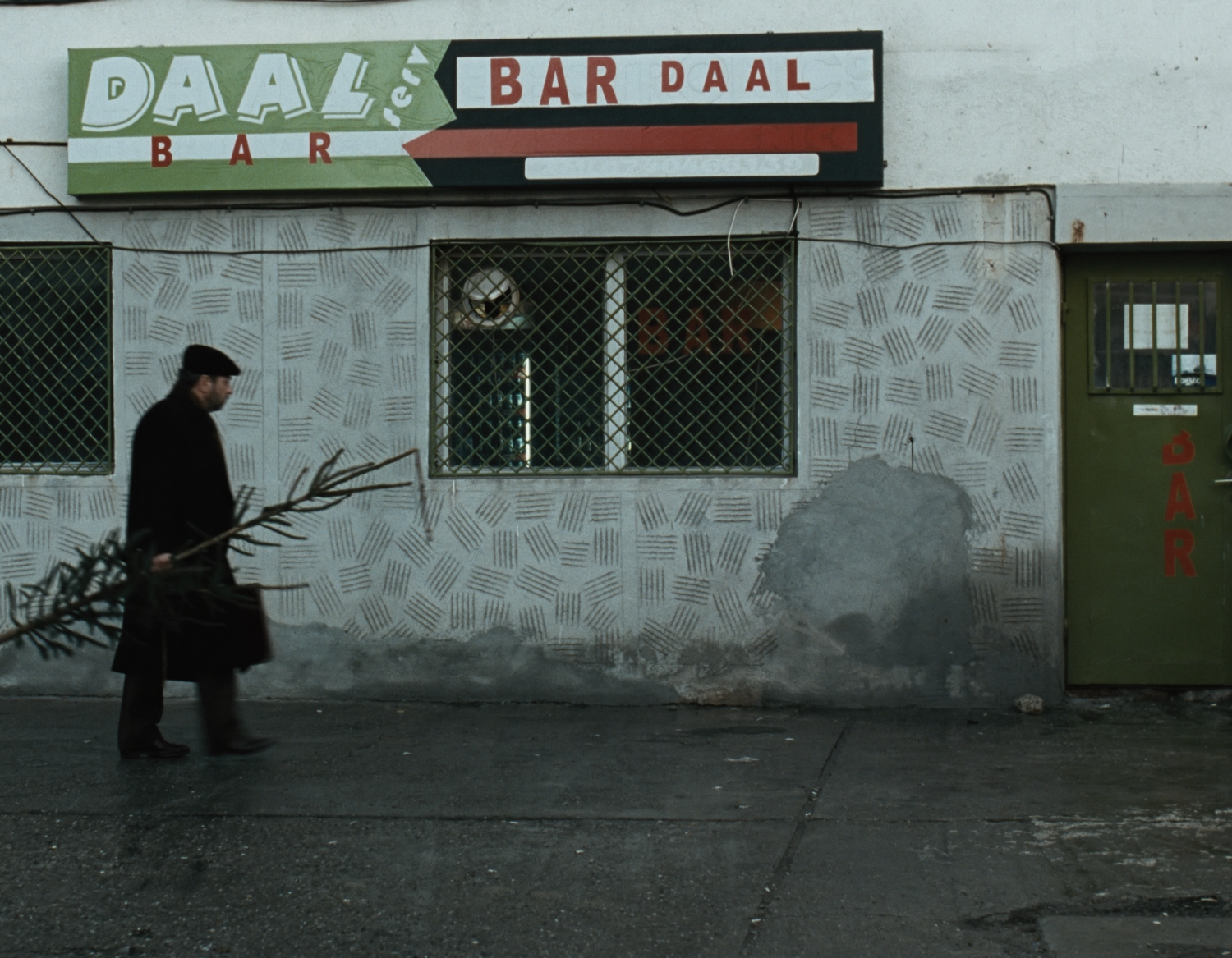
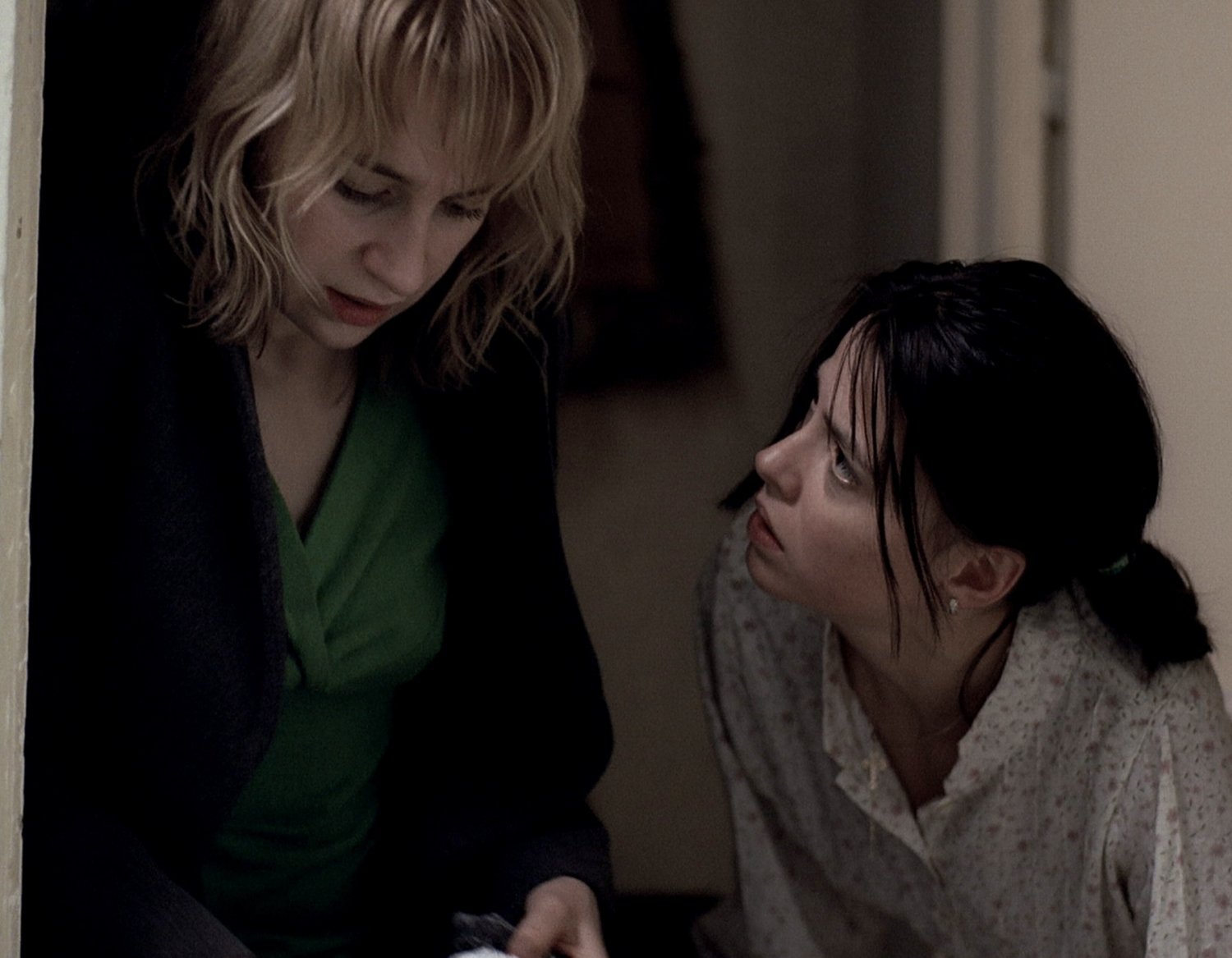
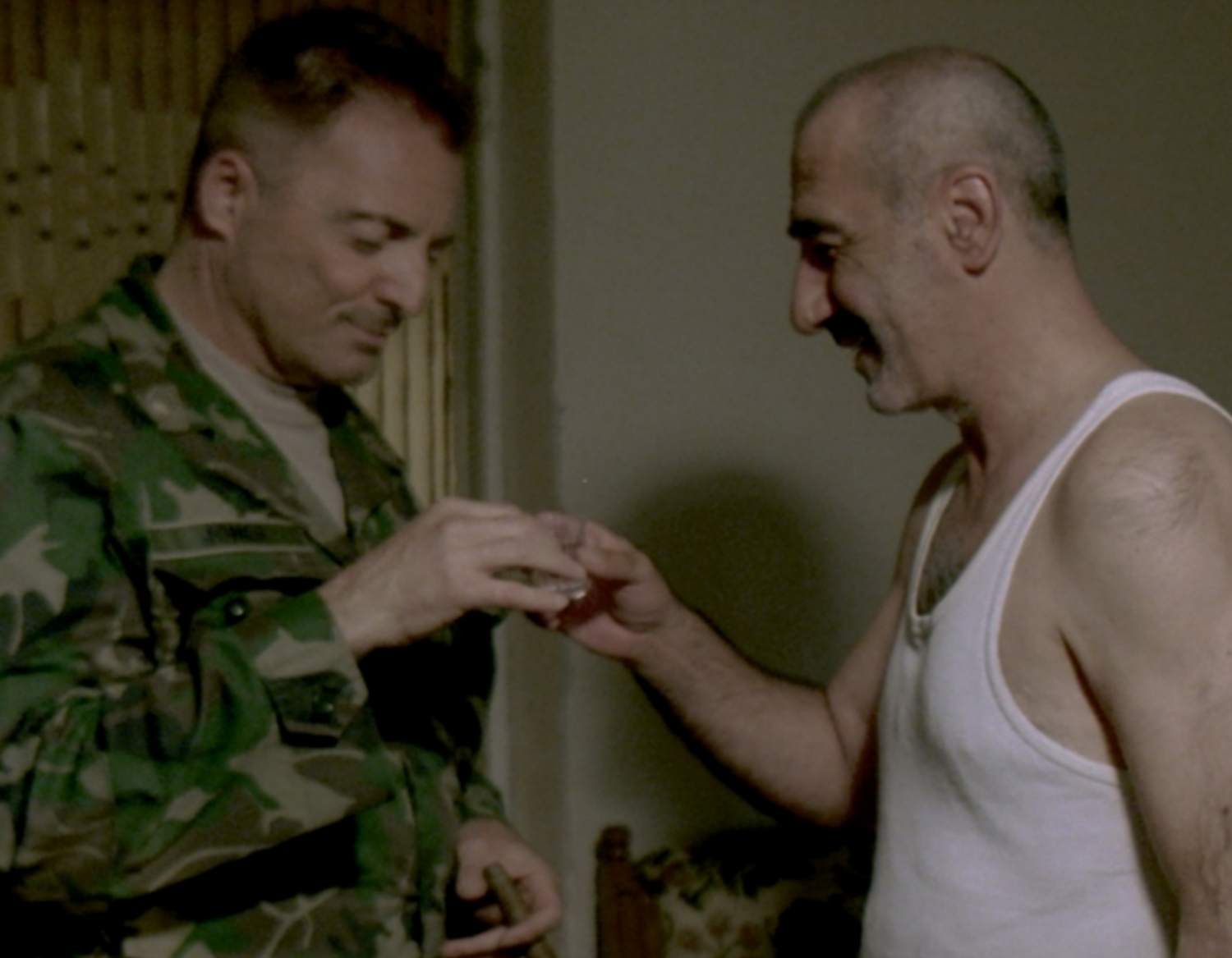
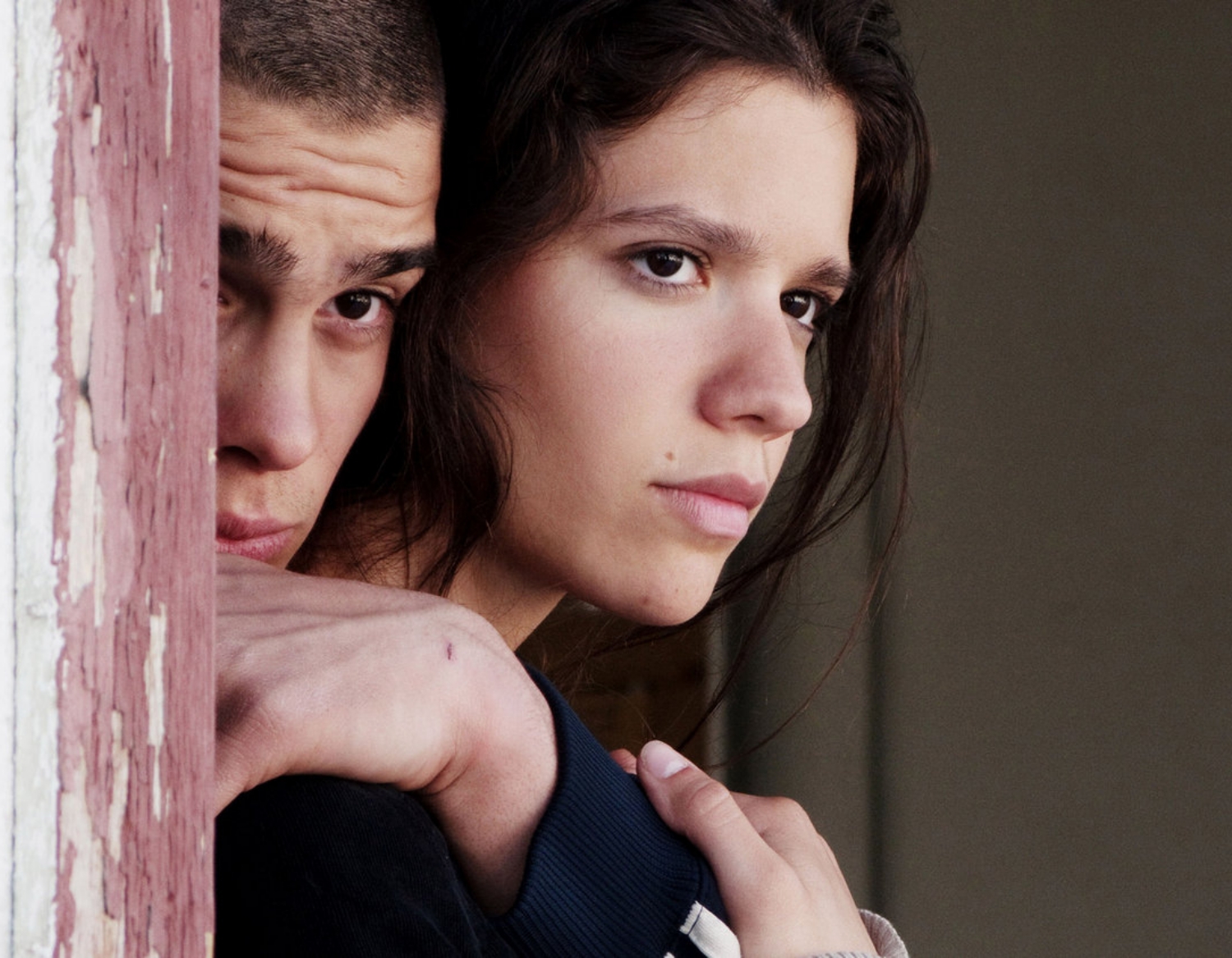
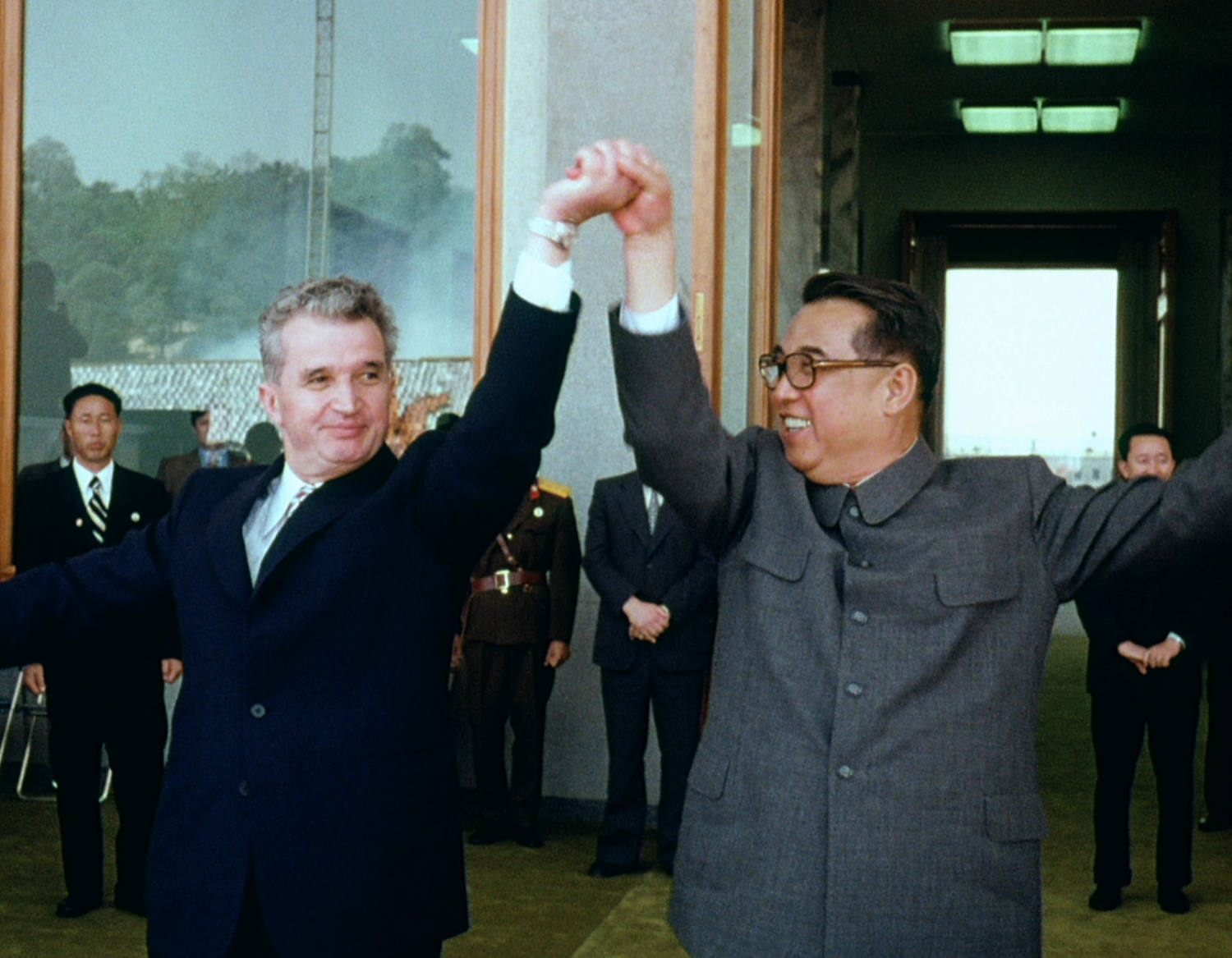
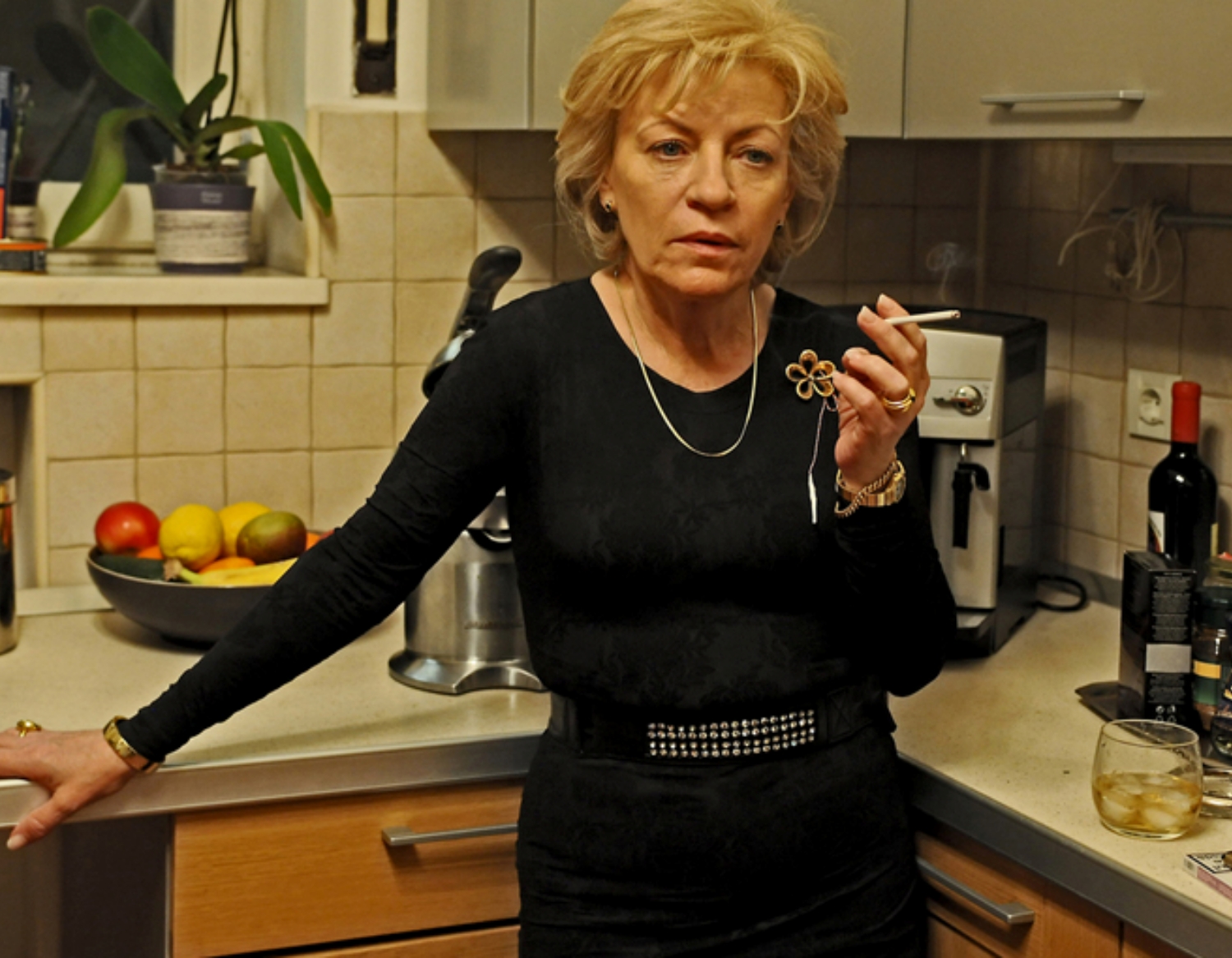
Appearing almost out of nowhere, the Romanian New Cinema movement erupted when Cristi Puiu’s The Death of Mr. Lazarescu, Corneliu Porumboiu’s 12:08 East of Bucharest, and Cristian Mungiu’s 4 Months, 3 Weeks and 2 Days took the international festival circuit by storm. Beginning in 2005, these films earned unprecedented recognition at the Cannes Film Festival across three consecutive years, culminating in the Palme d’Or in 2007. Characterised by razor-sharp realism and pitch-black humour, the new Romanian cinema surged to prominence through its distinctive storytelling and uncompromising artistic vision – a remarkable trajectory for a country that, at the turn of the century, had failed to produce a single domestic feature.
The collapse of Ceaușescu’s regime ushered in a newfound freedom that ignited a surge of subversive creativity among young filmmakers, empowering them to explore once-censored social and personal truths. Working with limited budgets and equipment, they turned constraints into an aesthetic – using natural light, handheld cameras, and long shots to keep costs low. This spirit of experimentation and commitment to raw authenticity forged a minimalist, dialogue-driven naturalism that became the defining hallmark of the Romanian New Wave.
In the wake of the upheavals confronting the legacy of communism, filmmakers find no shortage of material: everyday life is rife with absurdities; chaos is common in a society transitioning to capitalism. By juxtaposing old ideologies with new economic realities, they expose the lingering bureaucratic absurdities and indignities that continue to shape daily existence. Their unvarnished narratives and droll satires create a brand of self-critical and introspective dry humour that sits at the heart of this social realist movement.
Although the Romanian New Wave has achieved international acclaim, its key filmmakers often resist the label. Puiu famously argued that categorising artists into movements restricts artistic freedom and oversimplifies individual works. Indeed, the new generation is striking in its diversity: Cristian Nemescu and Florin Şerban, for instance, forged singular paths through culture-clash burlesque and gritty exploration of juvenile delinquency, respectively. Călin Peter Netzer even took home the Berlinale Golden Bear for his arresting yet poignant portrait of tyrannical love.
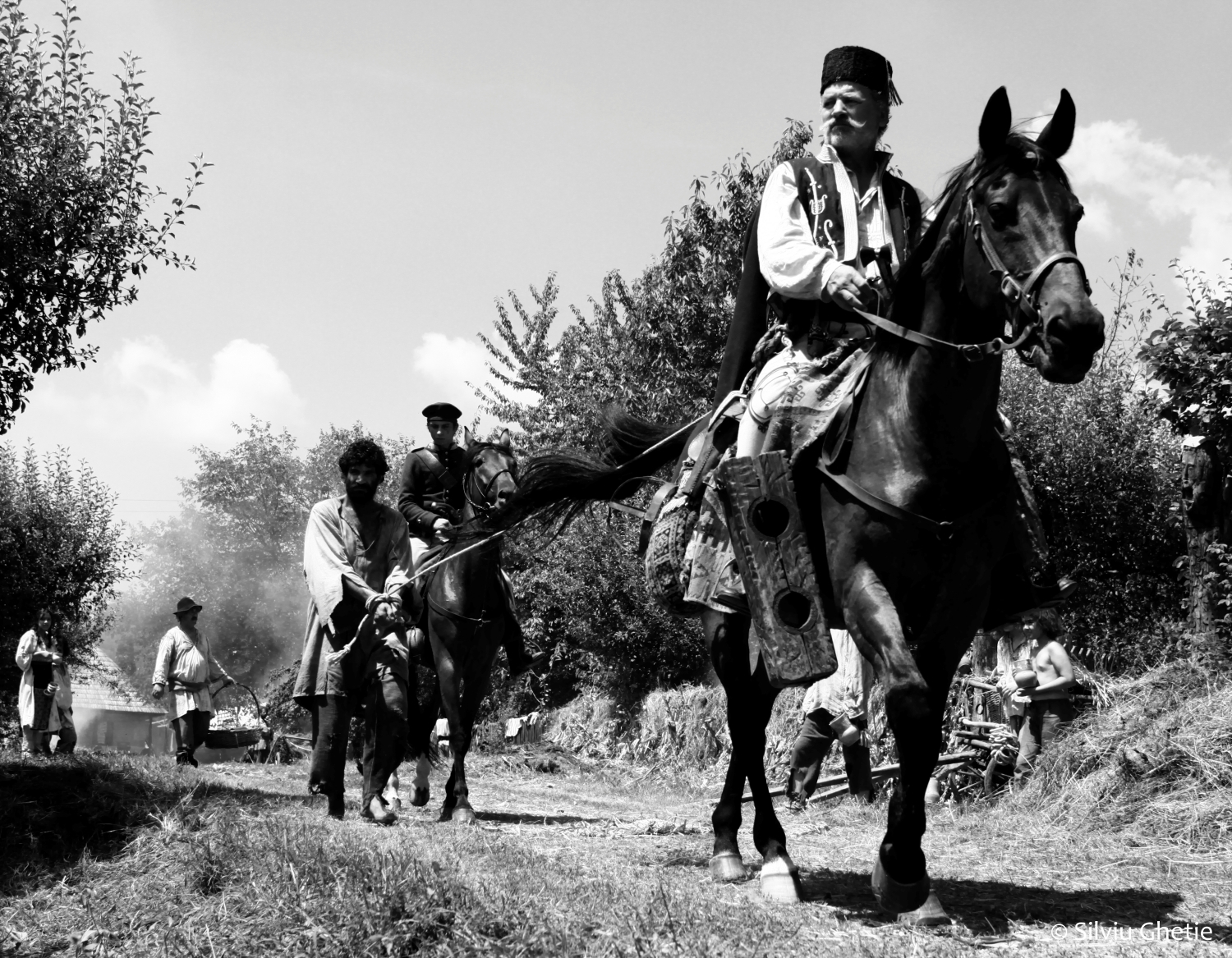
Twenty-five years on, the movement has evolved alongside changing times. Directors are turning to both distant history and pressing contemporary issues. From exposing the historical atrocities in Aferim! to lampooning modern moral hypocrisy in Bad Luck Banging or Loony Porn, Radu Jude’s daring experiments speak to the New Wave’s ongoing vitality. Coupled with Mungiu and Șerban's impressive comeback this year – capturing his second Palme d’Or for Fjord and the Locarno Golden Leopard for You Don't Belong Here respectively – veteran auteurs and promising talents alike demonstrate the thrilling possibilities yet to be explored in Romanian cinema.
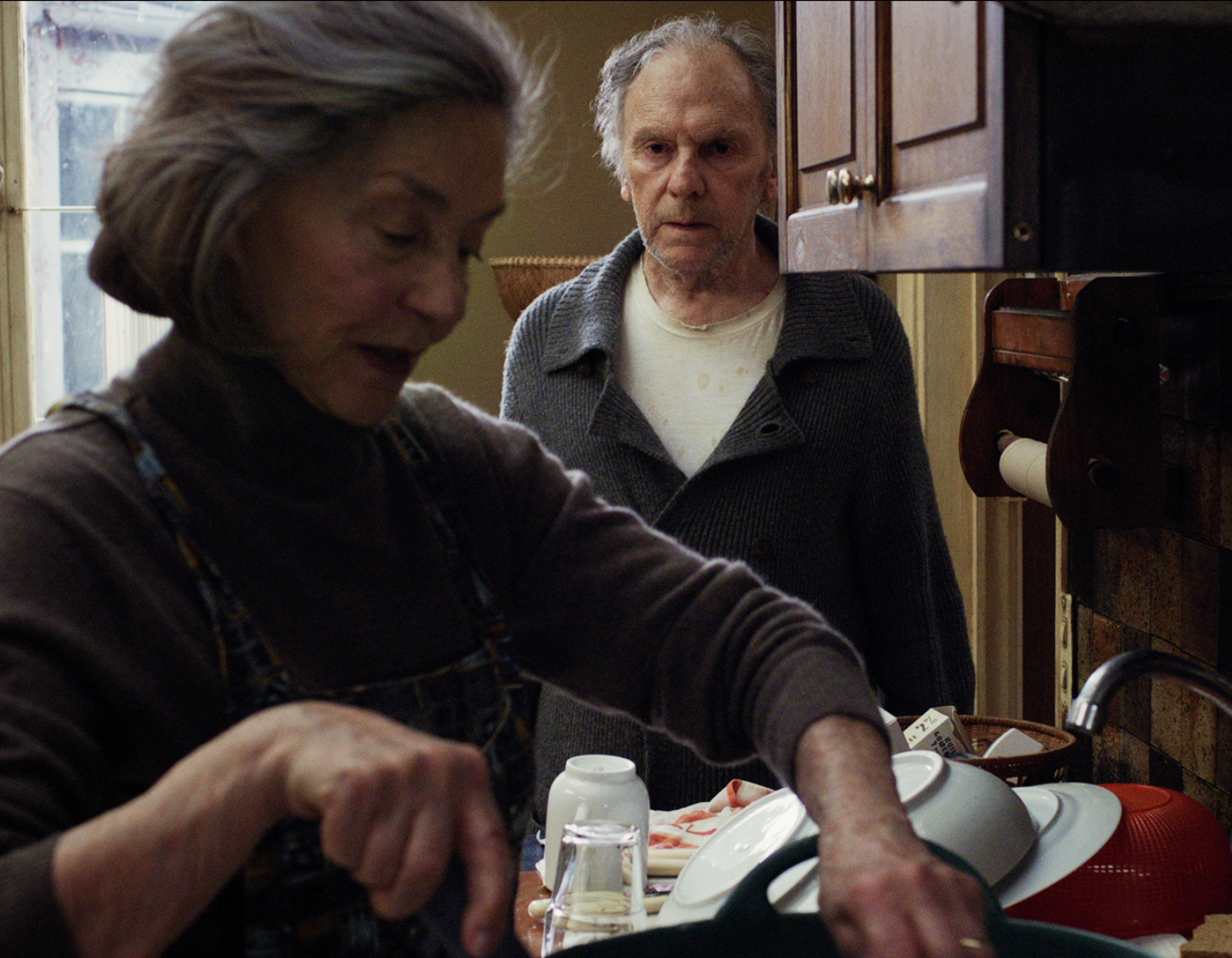
Anatomy of Violence: Michael Haneke
Among arthouse cinephiles, the name Michael Haneke has become a shortcut of sorts to describe a subgenre of bleak, disturbing arthouse films that take certain courage to tackle. As grim, pessimistic and even demanding Haneke’s films may be, anyone who follows current events on a regular basis will find it hard to call the filmmaker’s criticisms of modern civilisation in decline unfounded.
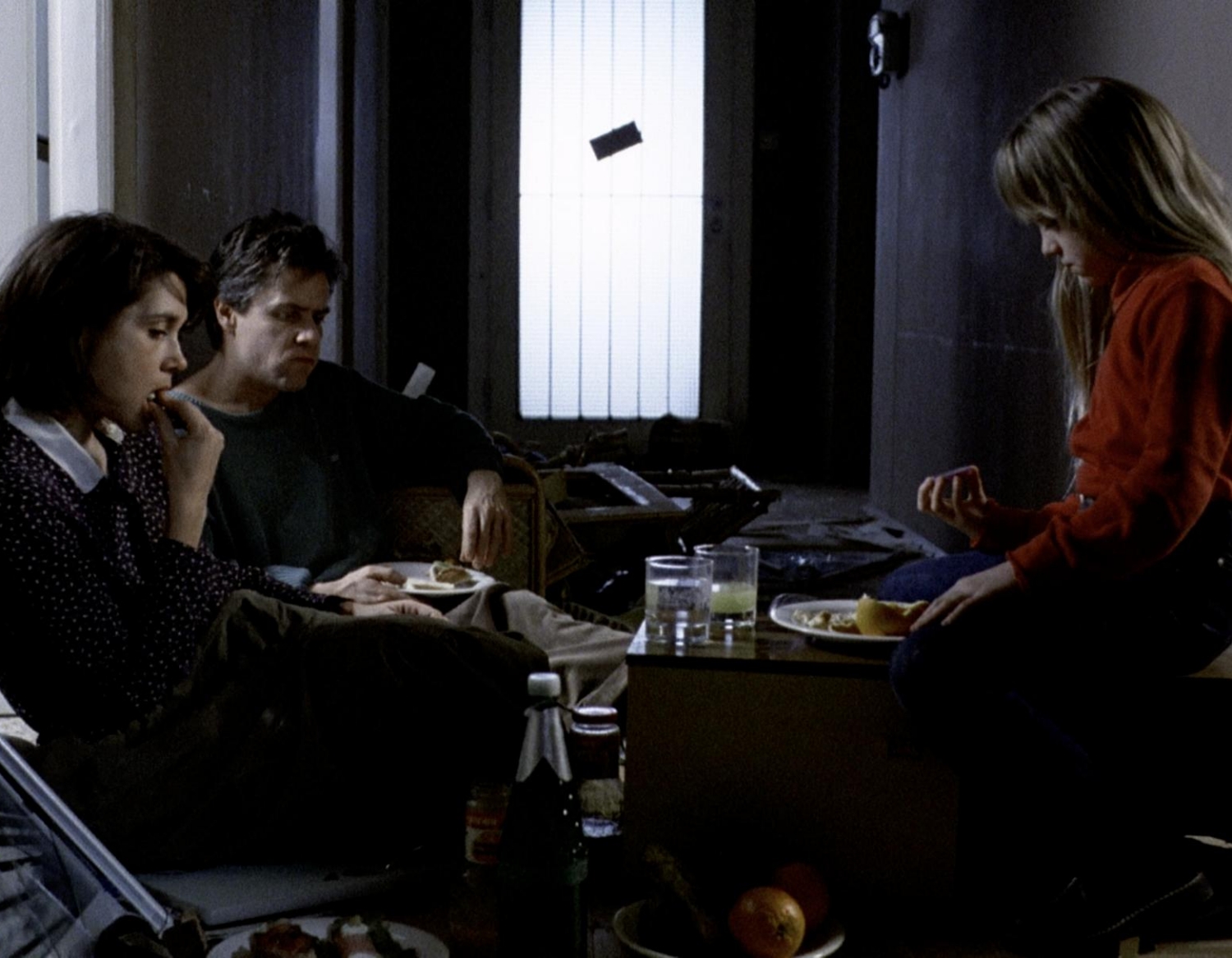
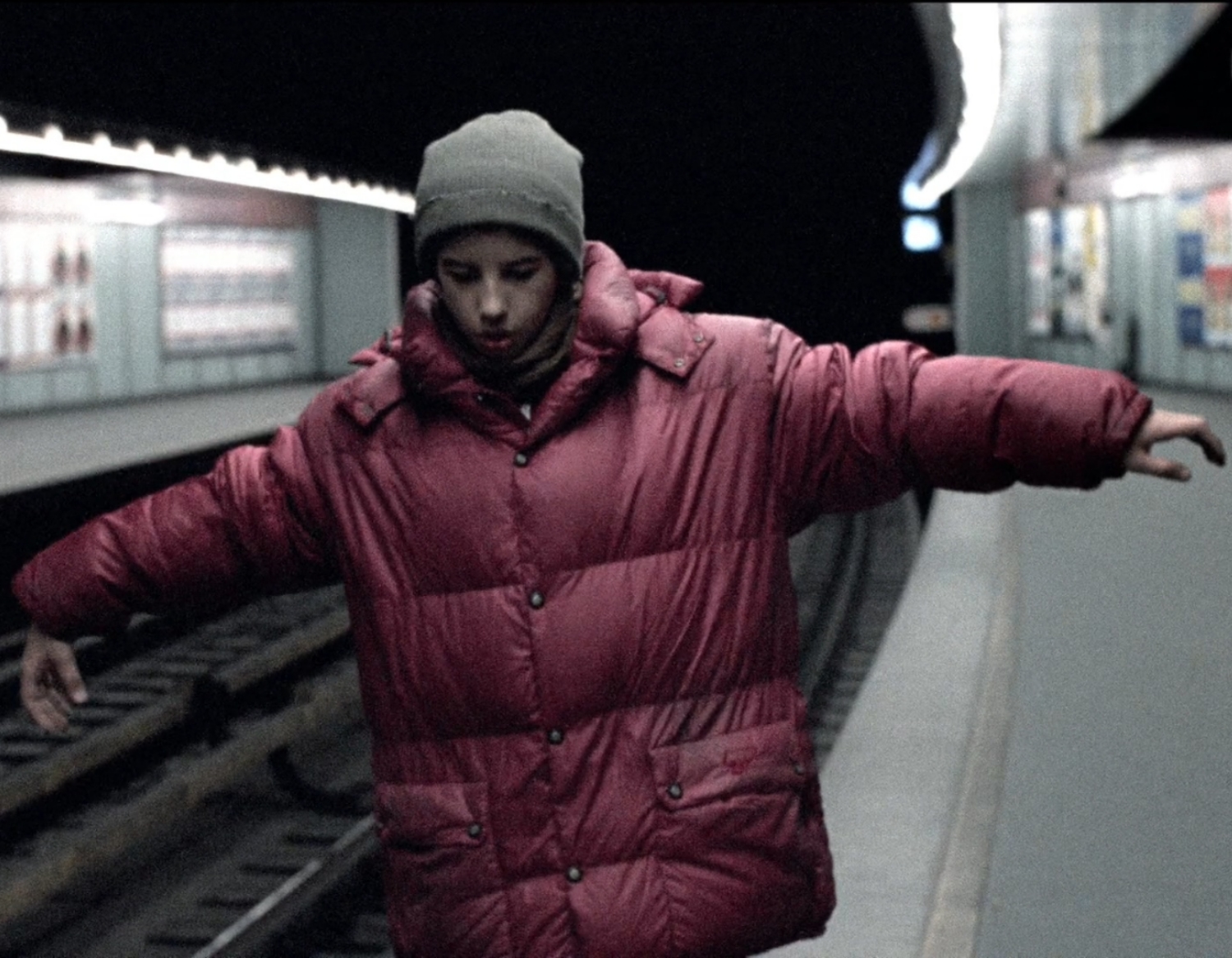
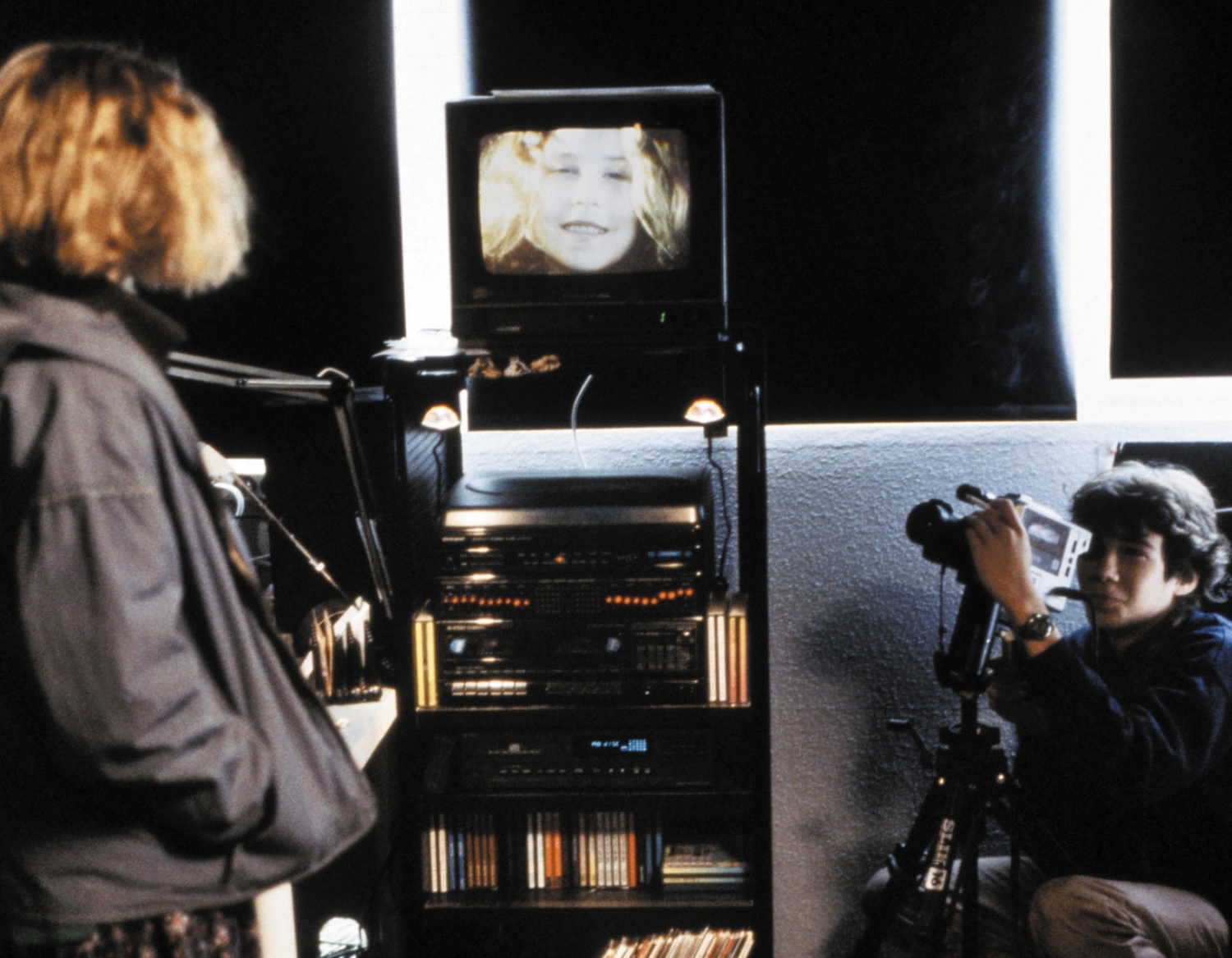
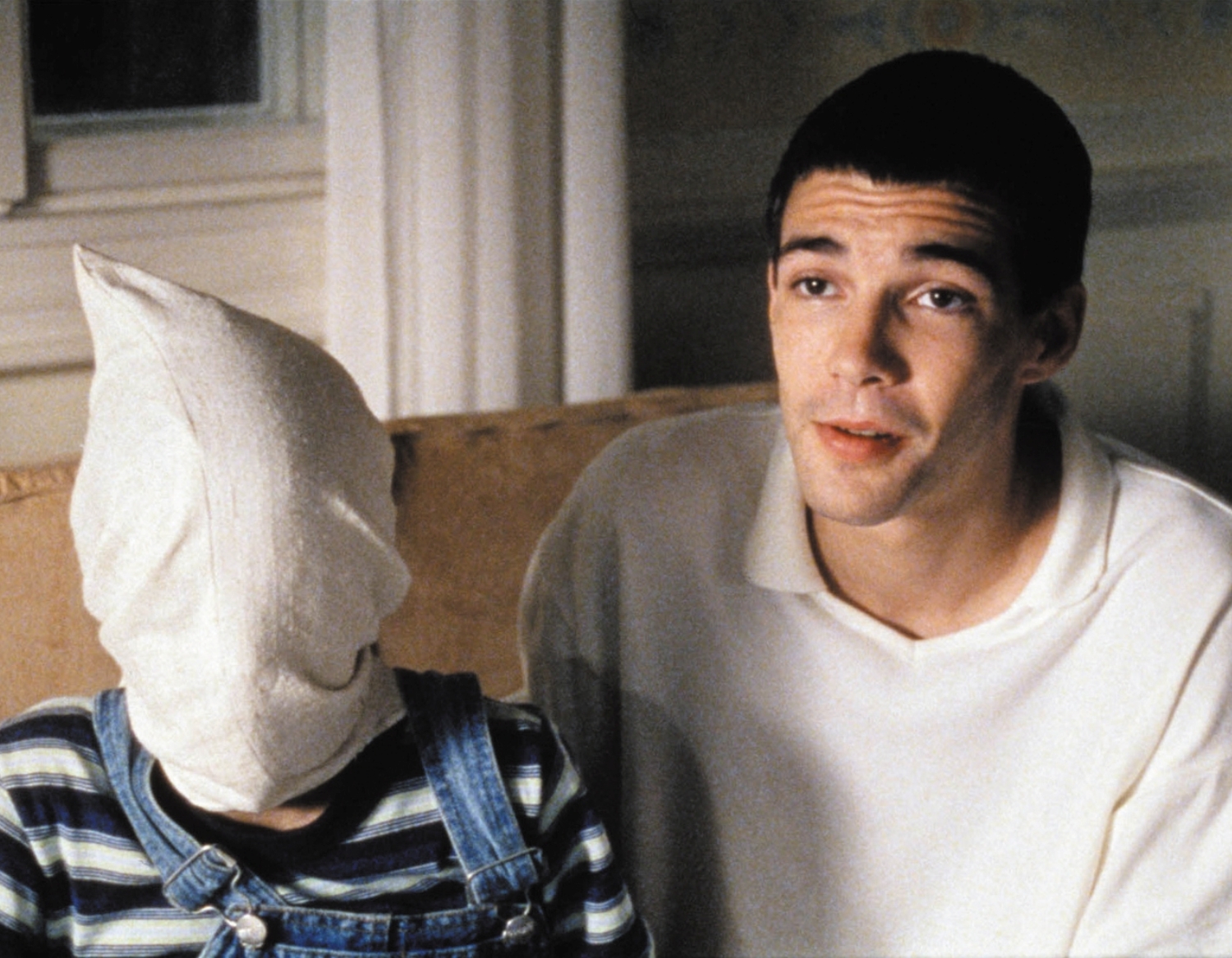
Starting with the Glaciation Trilogy that launched his filmmaking career – The Seventh Continent, Benny’s Video and 71 Fragments of a Chronology of Chance – Haneke has used films not only to address his own anxieties, but to also make us question the ways our worldviews are shaped. More of an inquisitor than a moralist, Haneke prefers to confront us with questions rather than try to answer them, to show us the world as it is, as opposed to suggesting how it should be. In Haneke’s world, there is no imaginary hero who will swoop in and save the world, nor are there easy answers to his characters’ actions that would absolve us of our complicity in the current state of the world. Haneke doesn’t reject films as entertainment in the same way people listen to music or dance for fun, but he prefers to use his films to confront reality rather than escaping it.
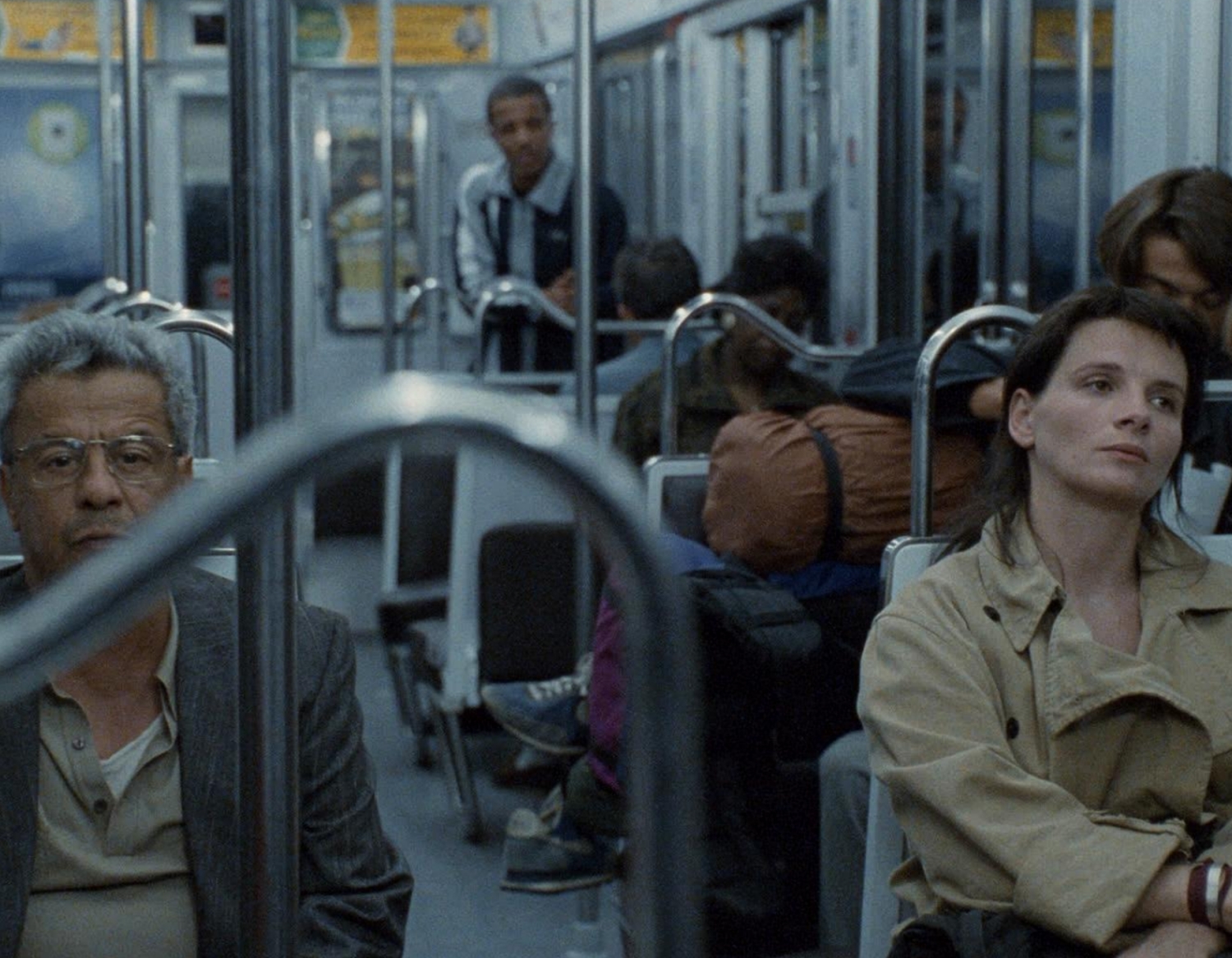
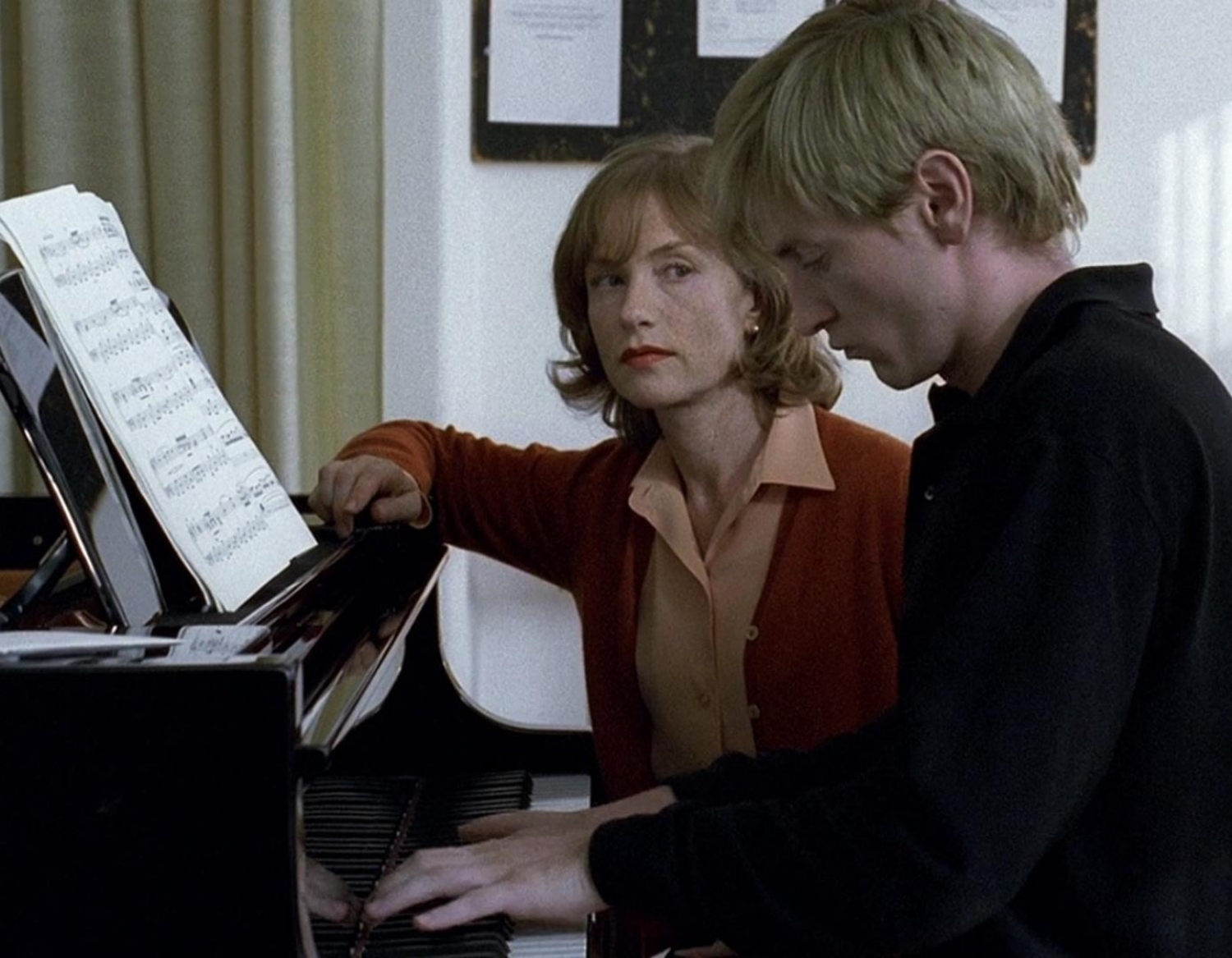
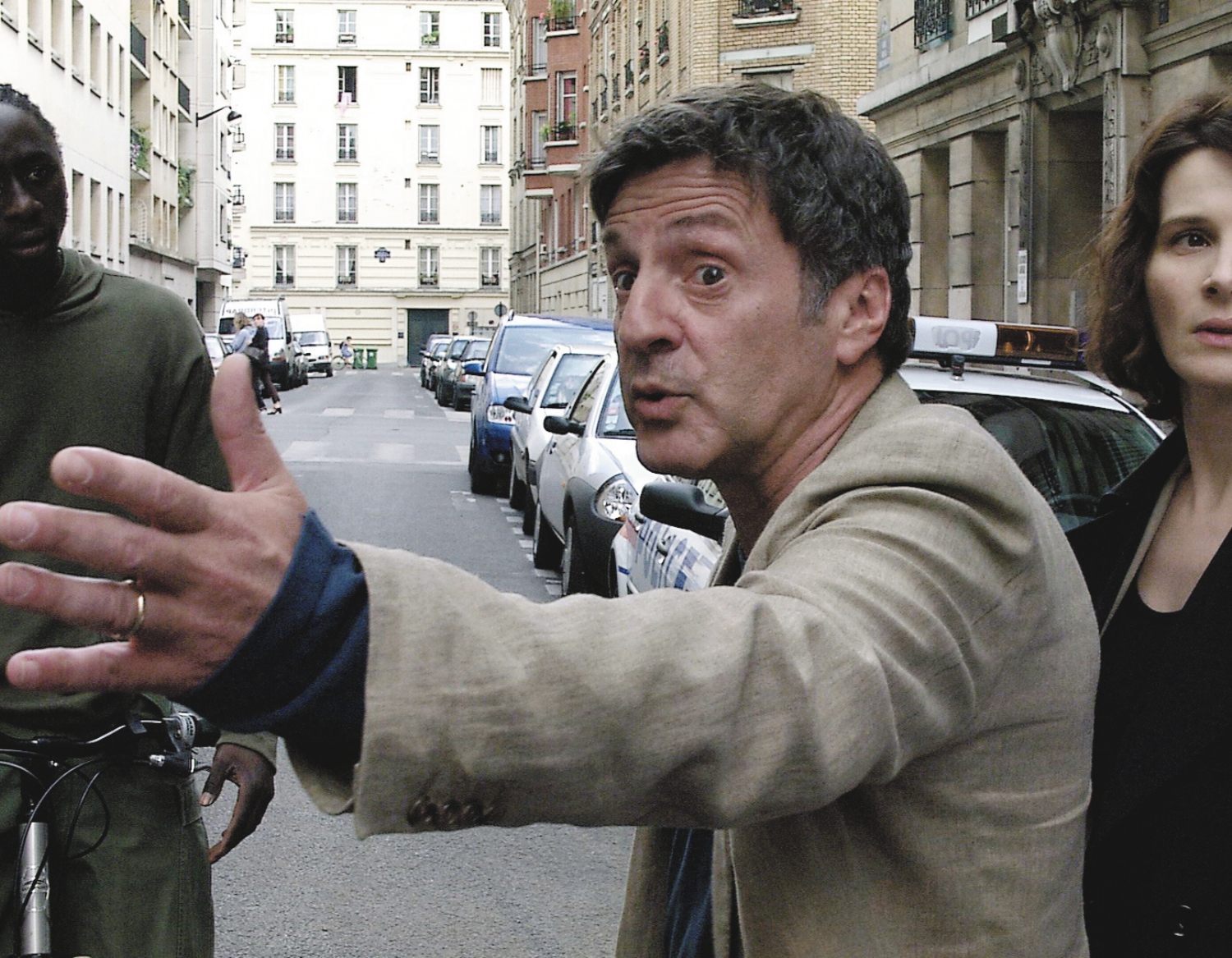
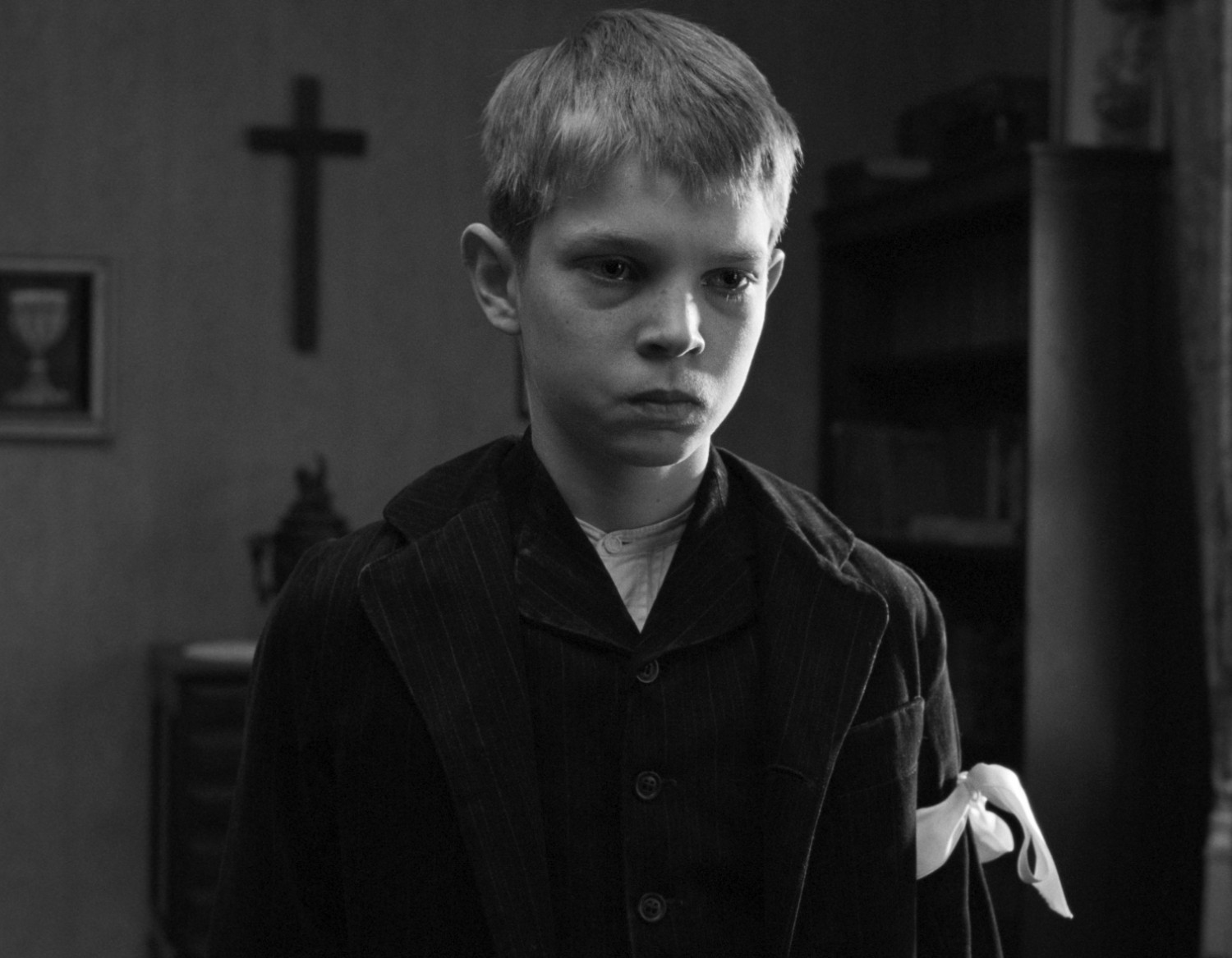
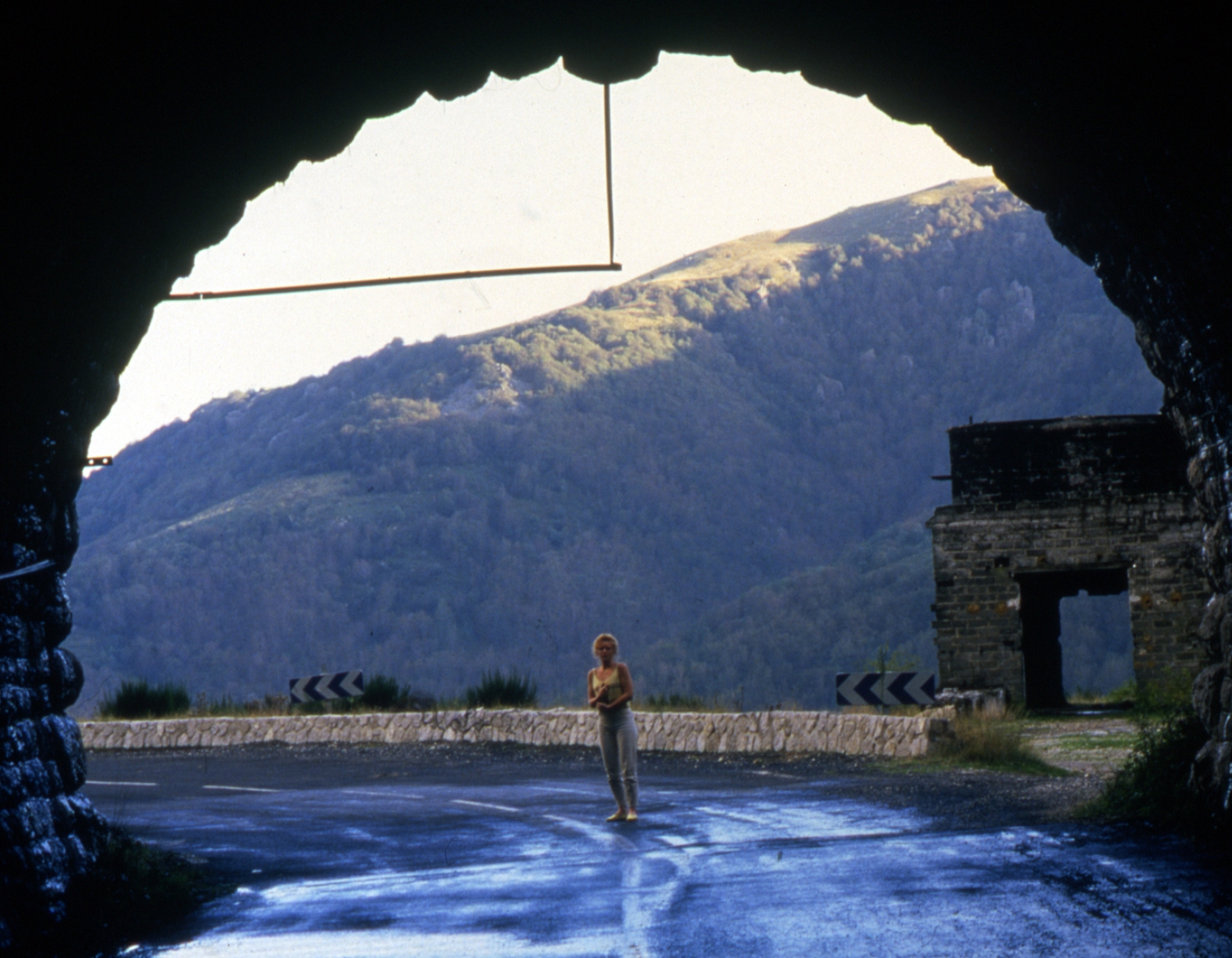
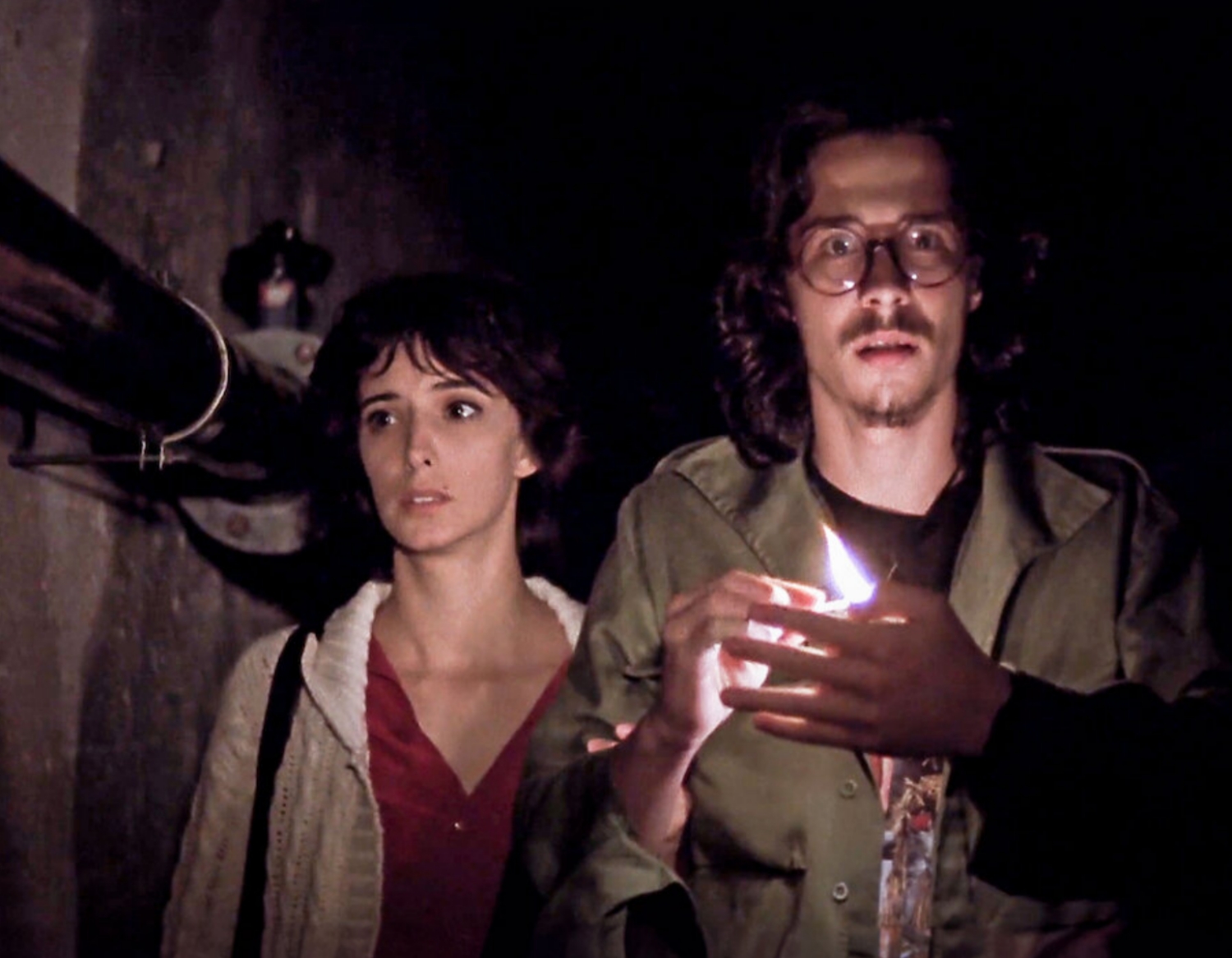
Haneke’s method of presenting his concerns as unflinching truths free of embellishments or sentimentality can lead to the misconception that his films are cold and distant. His films may be harrowing or distressing in the way they deal with serious issues like the media’s trivialisation of violence (with his Glaciation Trilogy and Funny Games), how xenophobia feeds into our refusal to communicate with each other (with Code Unknown), or how blind devotion and hypocritical puritanism feed into the growth of authoritarianism (with The White Ribbon), but his storytelling style stems from his belief that the urgency of these issues make them too serious to be taken lightly. Like the titular character of The Piano Teacher, Haneke’s films may seem to have ice-cold blood running through their veins, but the anger and discontent that drive them are evidence of his humanity, and they are powerful enough to set the world on fire.
Film Course: Conducted in Cantonese. Approximately 50-minute lecture
Audience who attends the course is eligible for a complimentary copy of Anatomy of Violence: Michael Haneke (Chinese only)