

Programme
ACROSS THE RIVER OF SORROW: THE CINEMA OF RITWIK GHATAK
‘Ritwik was one of the few truly original talents in the cinema this country has produced.’ ~ Satyajit Ray
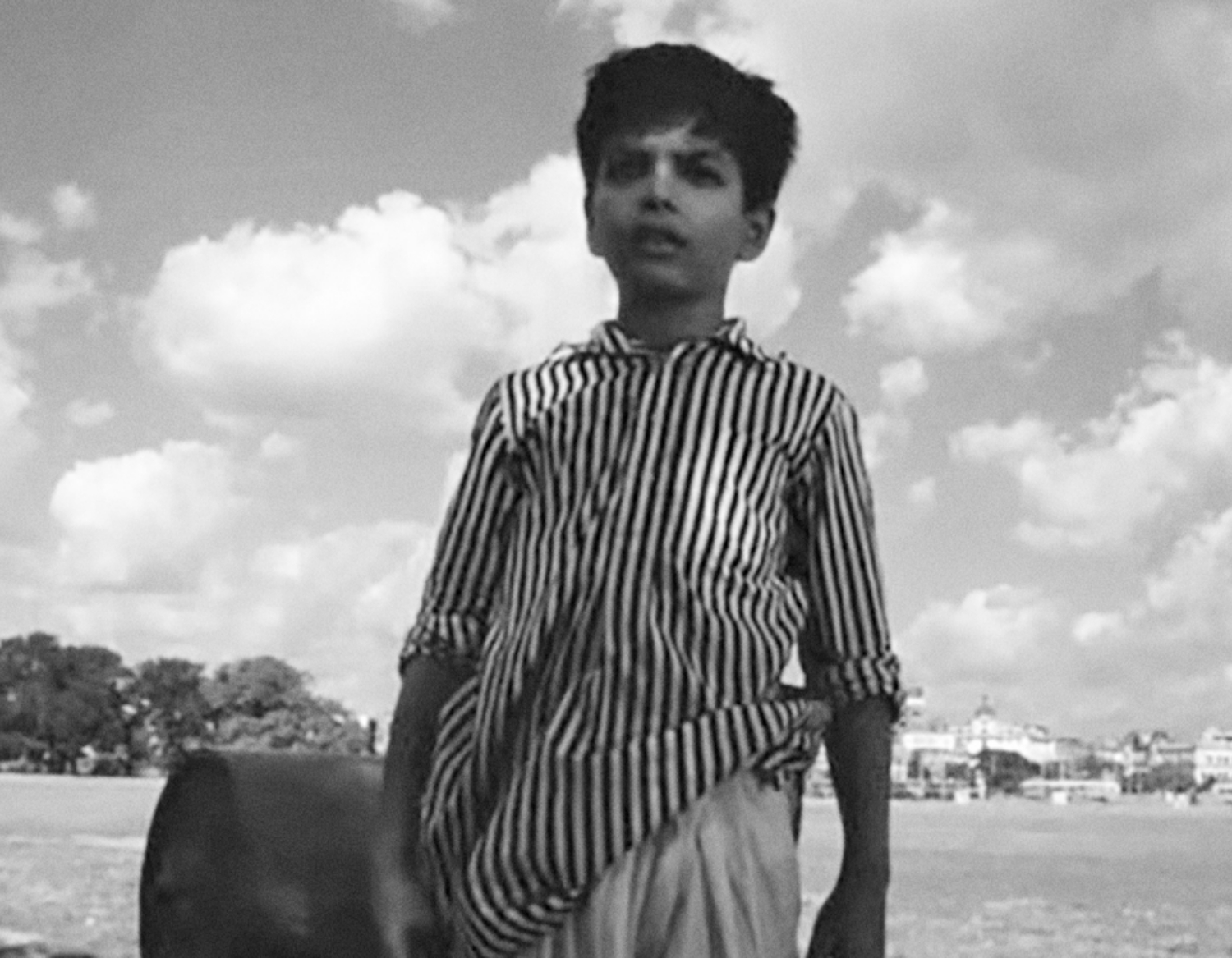
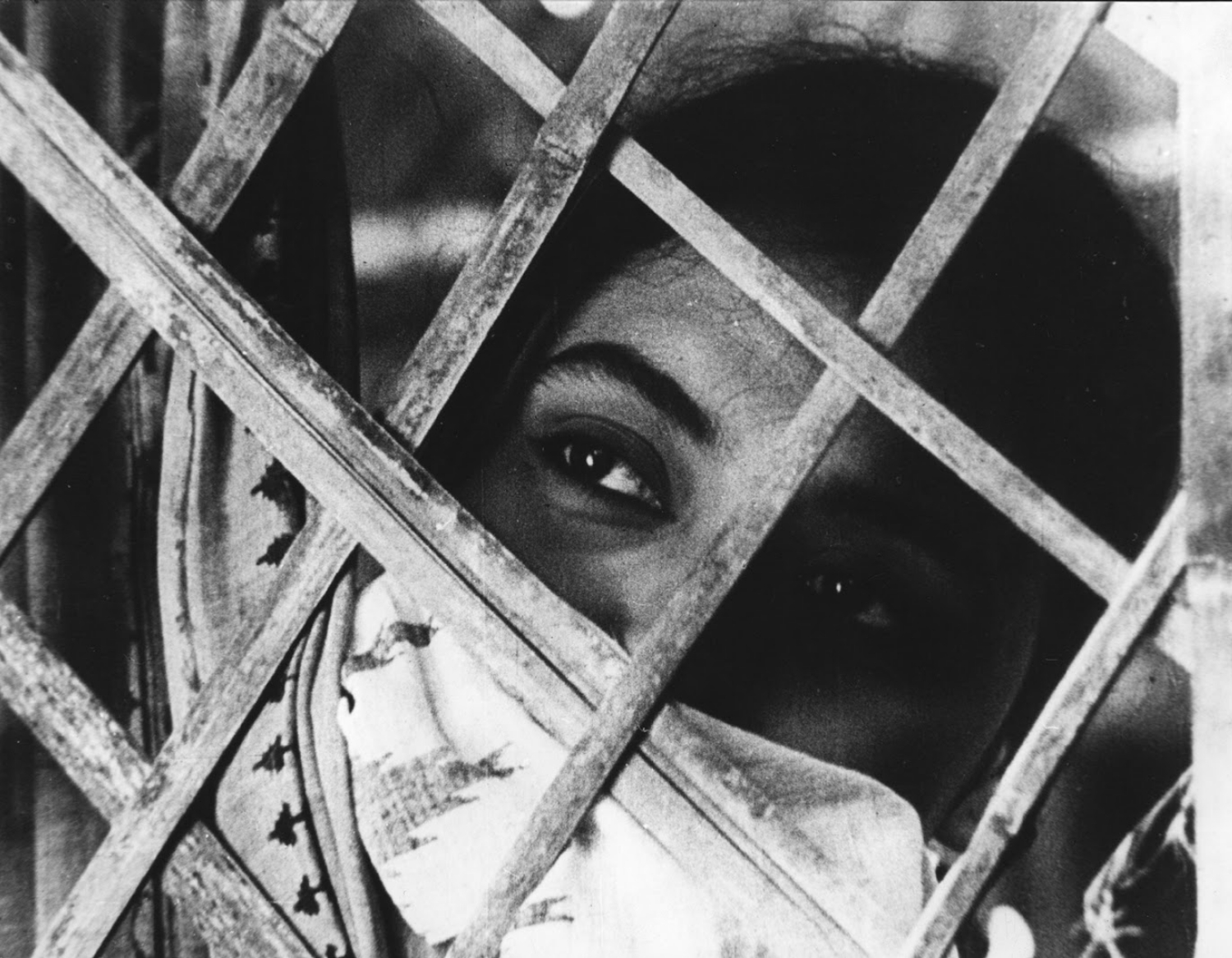
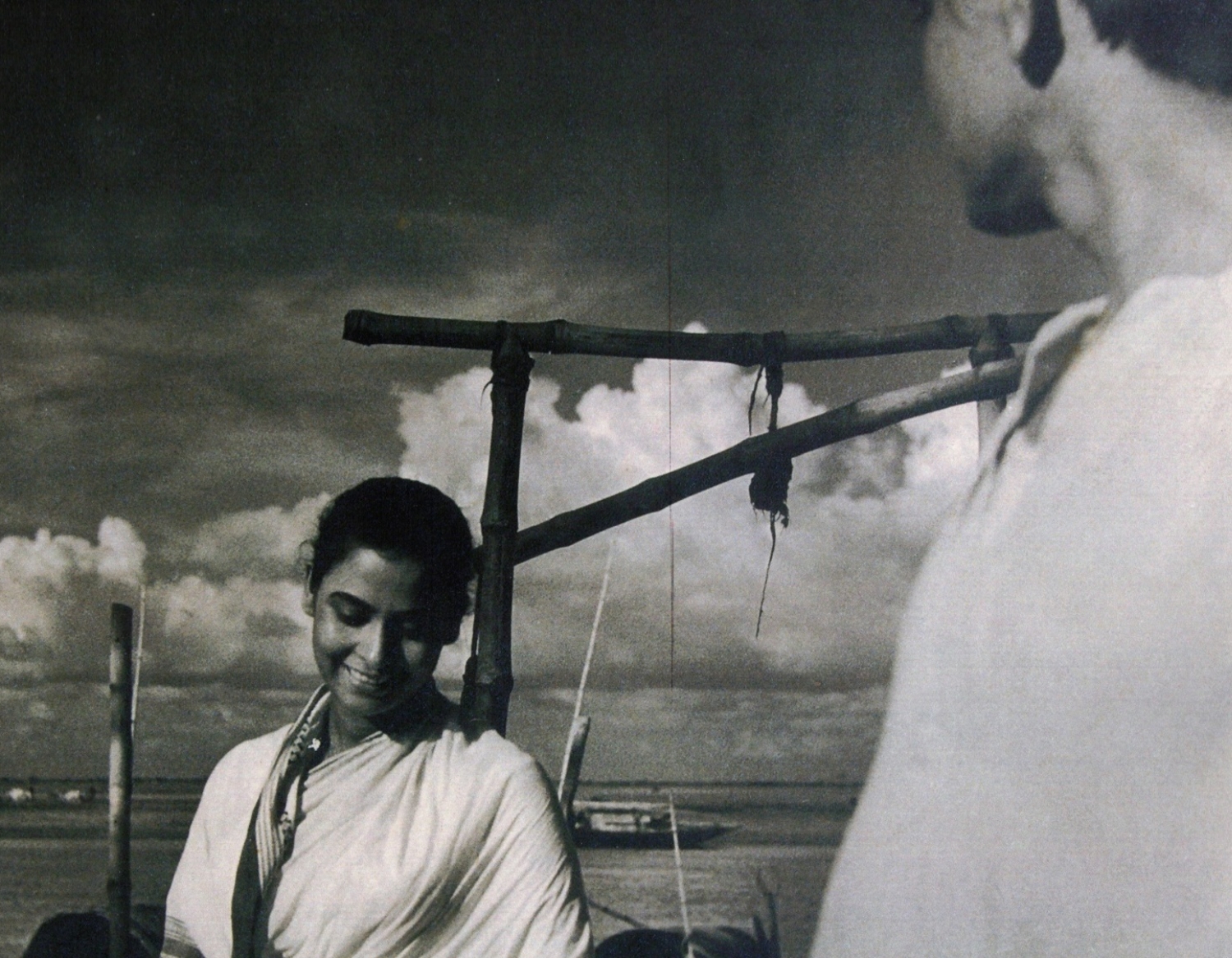
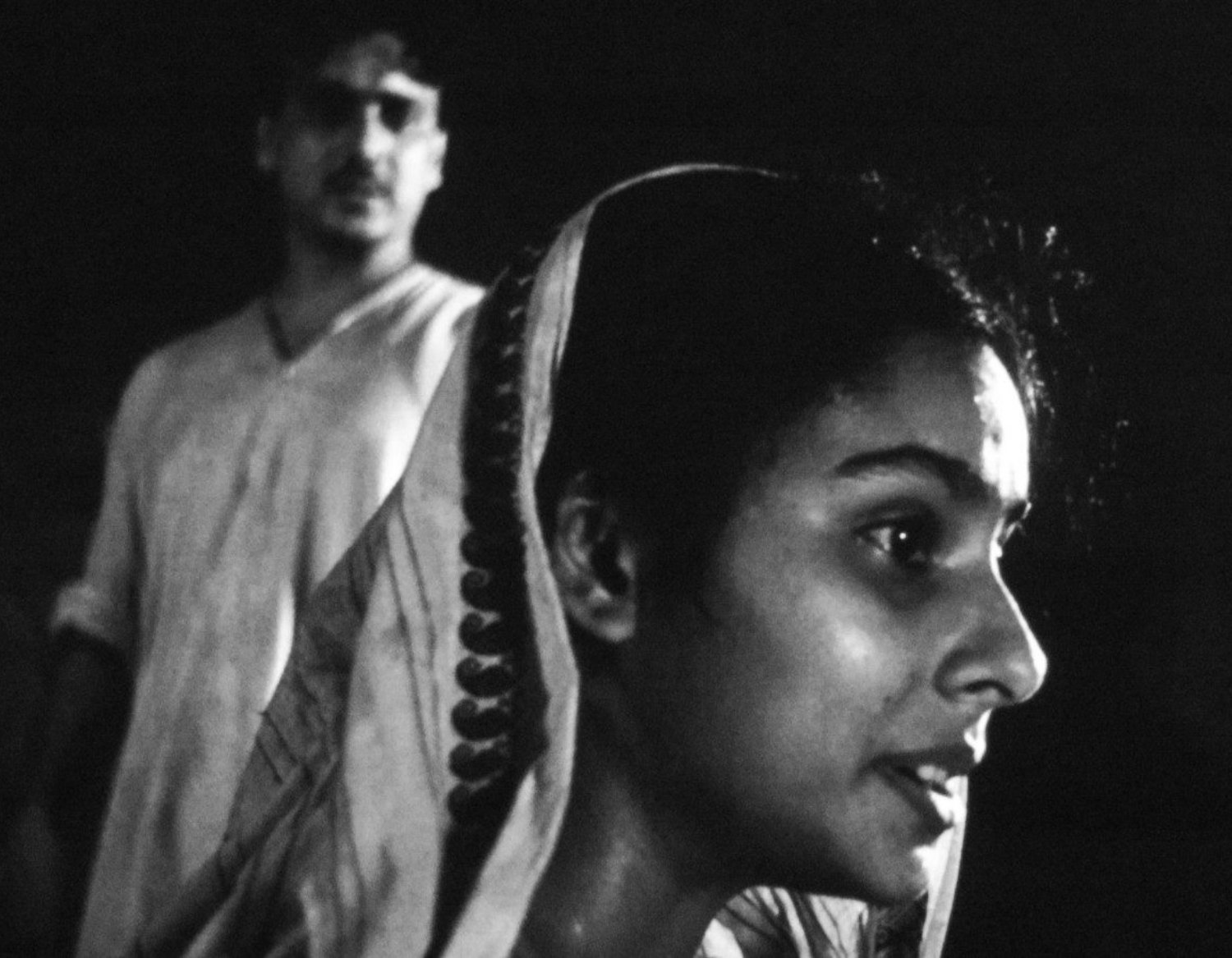
Ritwik Kumar Ghatak (1925-76) was one of the most original, politically committed and visionary filmmakers to emerge from South Asia in the aftermath of Indian Independence in 1947. Although his position in international cinema has grown steadily over the decades, his films were scarcely seen during his lifetime, and many remained inaccessible for years. Thanks to the restoration efforts undertaken by World Cinema Project and National Film Archive of India, they are slowly becoming available to audiences across the globe. Working against chronic financial hardship, political marginalisation and an industry often indifferent or hostile to his artistic vision, Ghatak completed only eight feature films before his untimely death in 1976. Yet this remarkable body of work transformed the language of cinema and continues to inspire many others across the world.
Emerging from India’s vibrant left-wing cultural movement and the Communist theatre tradition, Ghatak brought an extraordinary fusion of political commitment, emotional intensity and formal experimentation to filmmaking. His cinema bears witness to the devastating human consequences of the Partition of India, mass migration, trauma of forced displacement, and the unfulfilled promises of Independence. Rather than treating history as a distant backdrop, he explored how political and environmental catastrophes fracture families, reshape communities and leave lasting emotional scars on ordinary lives. At the same time, his films refuse despair. Even amidst profound loss, his films uphold resilience, compassion and collective hopefulness, anchored in his fierce devotion to the Indian land and its people.
Across these films, Ghatak developed a cinematic language unlike any other – combining melodrama, folklore, mythology, music, modernist aesthetics and startling innovations in sound and editing to create works of immense emotional and political force. Decades ahead of their time, his films challenge conventional ideas of nation, identity and belonging while asking enduring questions about social justice, question of gender, memory and humanity.
More than fifty years after his death, Ghatak’s cinema remains startlingly contemporary. This selection of his five newly restored films offers a rare opportunity to experience the range of a visionary filmmaker whose work continues to demonstrate cinema's unparalleled capacity to move, provoke and transform.
English text by Dr Sanghita Sen, Assistant Professor in Visual Communication and Digital Cultures, Northumbria University, Newcastle-upon-Tyne, UK
Print Courtesy: