

2026
OPENING FILM
CLOSING FILM
MASTER CLASS
SPECIAL PRESENTATION

FESTIVAL SPOTLIGHT







FANTASTIC BEATS





ZOOM IN ZOOM OUT HONG SANG-SOO
Casually wandering, drinking and making love – Hong Sang-soo creates intimate and stripped-down stories about love, friendship [...]
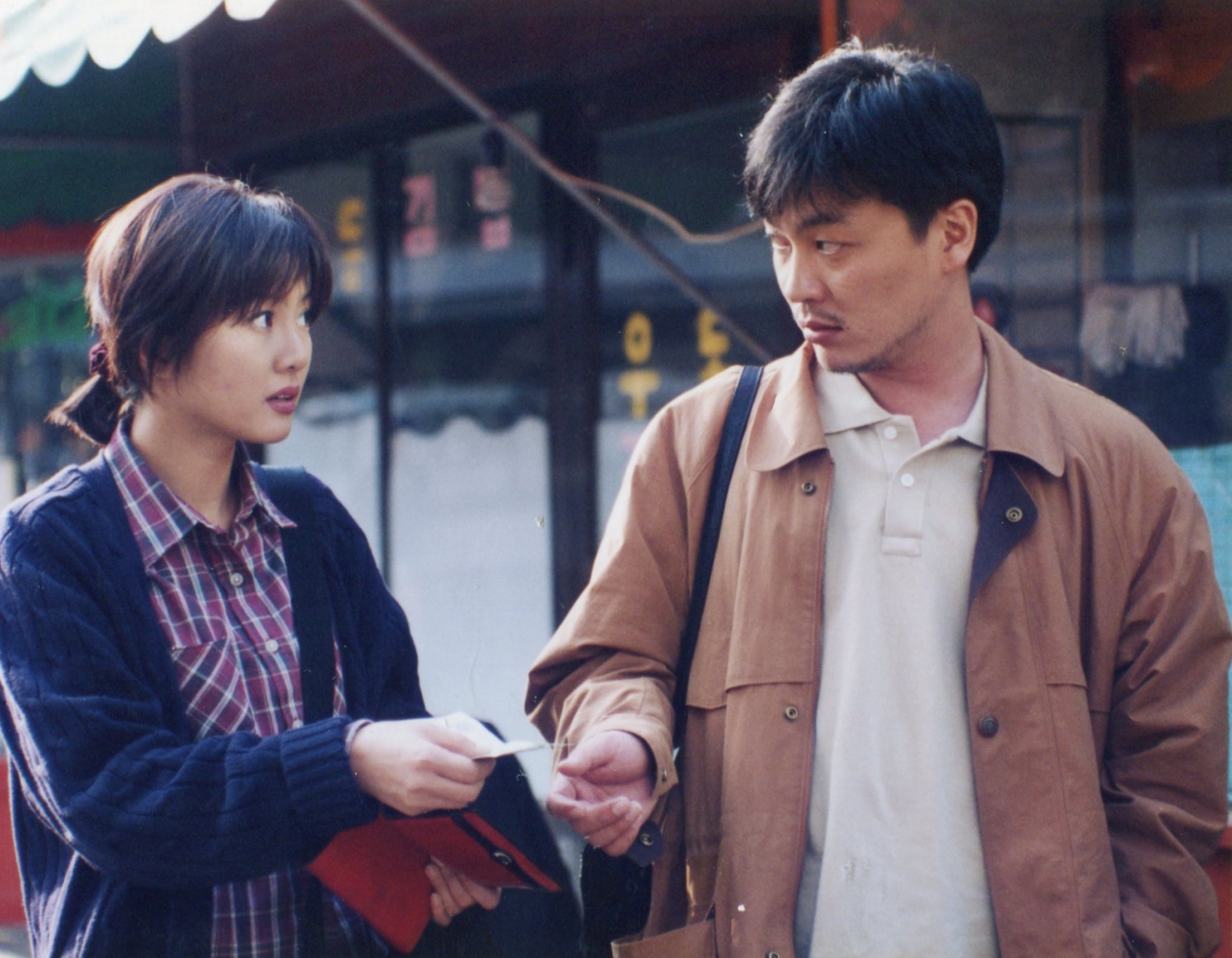
Casually wandering, drinking and making love – Hong Sang-soo creates intimate and stripped-down stories about love, friendship and loneliness that appear to flow effortlessly. Though they may seem trivial and mundane, these films are deeply poetic, humorous, and insightful. His cinematic language stands apart from the mainstream framework of Korean cinema, forming a unique landscape of its own.
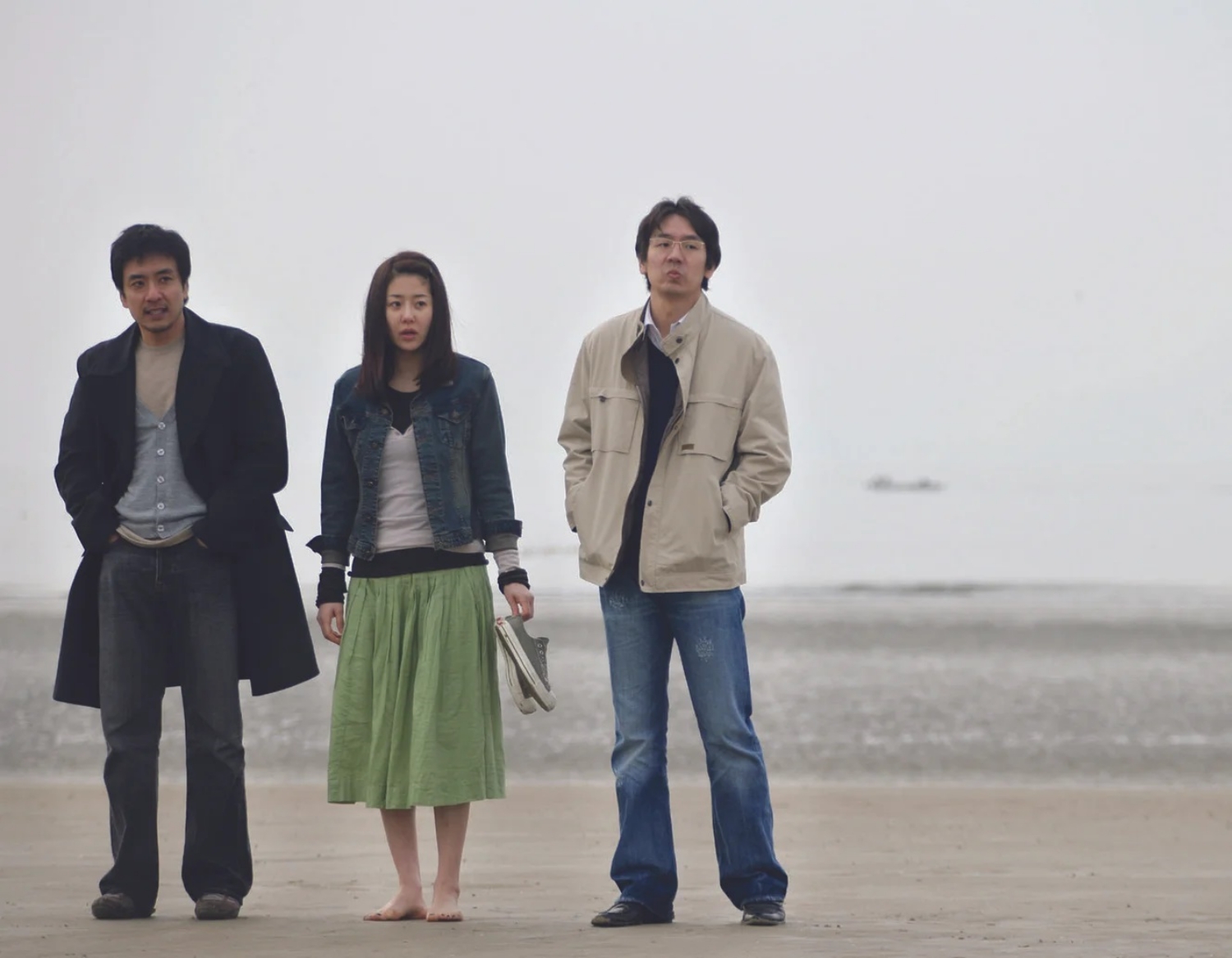
Drawing inspiration from Asian minimalism, Hong’s originality lies in his reinterpretation of this tradition, often in unexpected ways. He employs fixed medium to long shots, along with abrupt zoom-ins and zoomouts, to intentionally disrupt the film’s smooth flow, giving it an improvised and handcrafted quality. By fracturing narrative time – repeating a story again halfway through with subtle variations – he plays with parallel structures to emphasise coincidence and repetition. By interweaving past and present, he reveals the complexity of reality, allowing different perspectives to reflect off one another.
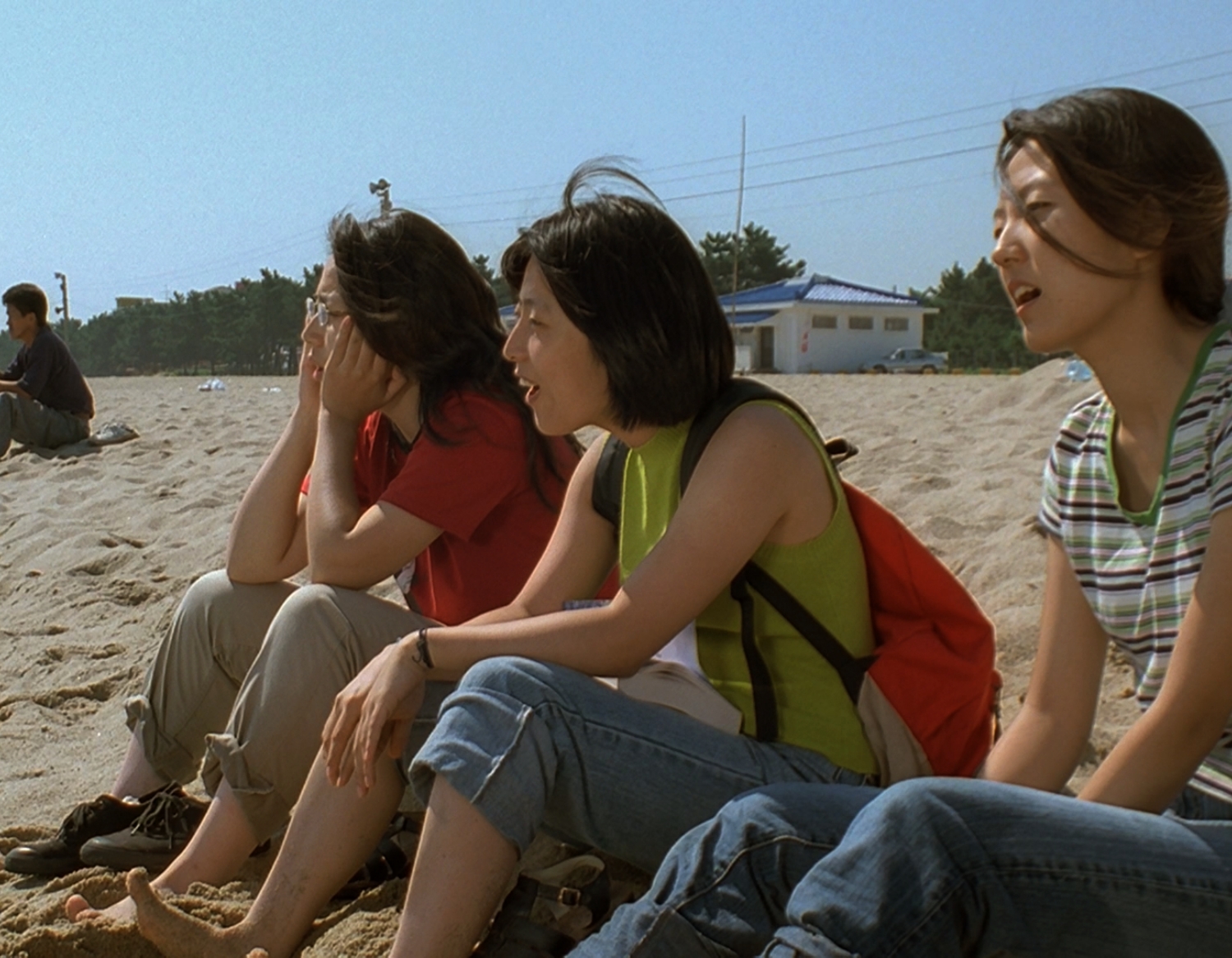
Wandering between neighbourhood eateries, seaside guesthouses and university campuses – smoking, eating and sipping soju – the camera focuses on a few simple scenes and snippets of everyday conversation, yet through these moments we perceive the subtle echoes and shifts in relationships. Ordinary life becomes a theatre of fleeting moments, offering insights into complex interpersonal dynamics and human nature. The experience of intoxication is juxtaposed with the clarity of reality; after a few drinks, hypocrisy and delusions dissolve, leaving the desire, anxiety, cowardice and naivety of masculinity exposed. This raw portrayal has intentionally, or unintentionally, become a defining feature of the male image in South Korea’s post-authoritarian era. Whether one views the absurdity of masculinity (and human nature) with satire, contempt or even identification, the ambiguity between reality and fantasy, morality and immorality, offers ample scope for interpretation and reflection.
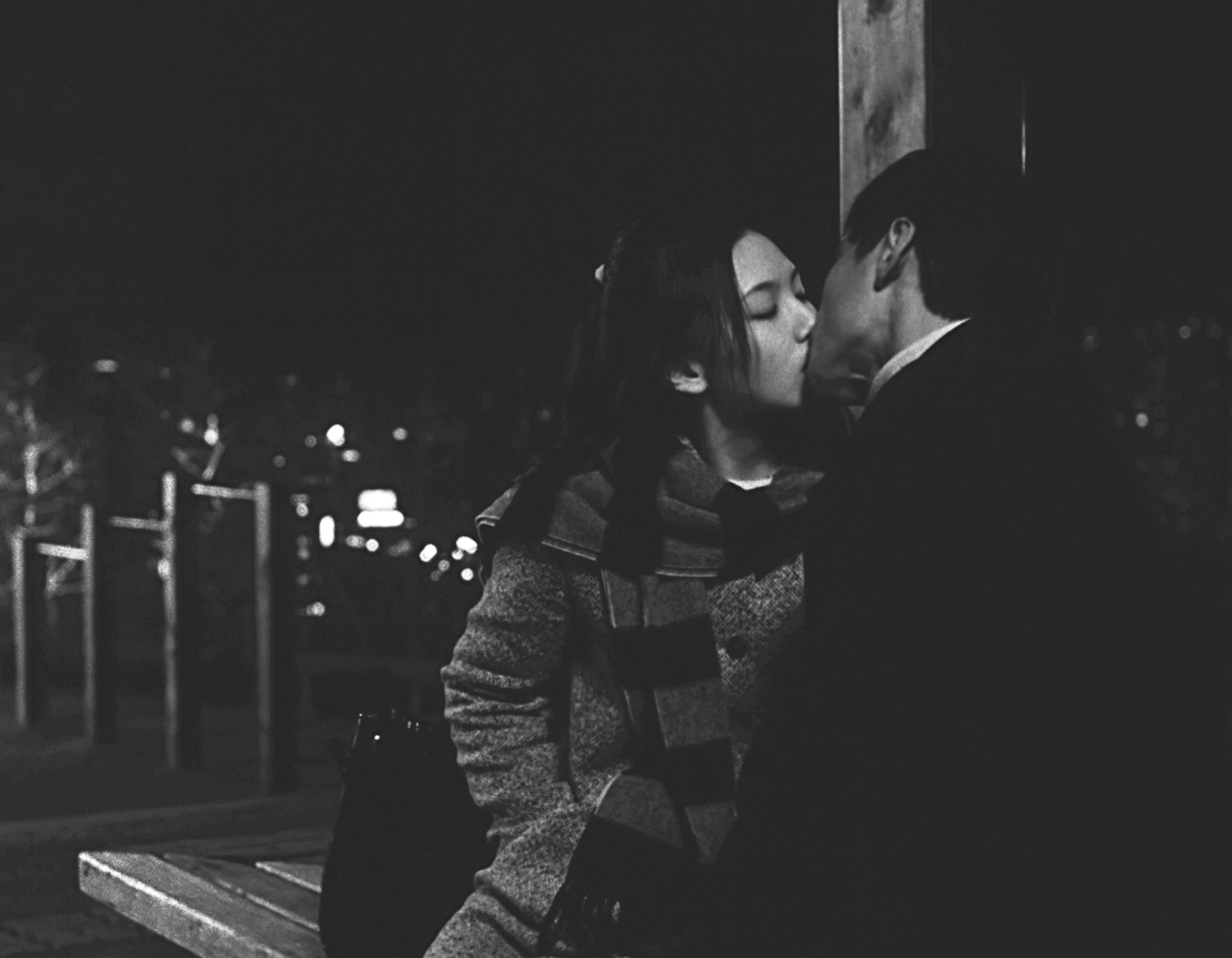
Hong’s early works were predominantly told from a male perspective, focusing on men enamoured with women solely for their physical attractiveness. Initially, women would reject these advances, only to later embrace their pursuers, and explicit sex scenes were almost invariably a staple. In response to criticism regarding the objectification of women, French director Claire Denis provided a different view: ‘Women are the axis of time in the film.’ Even when women are portrayed as murdered or deserted, they remain the owners of their time, intertwining fragments of memory, imagination and everyday reality to create a sense of unity in time. She asserts that Hong is not misogynistic; rather ‘he just can’t provide women with an image of a peaceful and child-like world’. On the contrary, women’s purity and sensitivity often become sources of inspiration and redemption for men.
That was the first half of Hong’s oeuvre. It wasn’t until he met Kim Min-hee that the Hong’s story took a different turn.